
The clothing development library
A clearer path to
your next collection.
Good questions make a stronger brief. Explore practical guides to sampling, quantities, fabrics and the details that carry your brand.
Find your starting pointThe guides
44 guides for your next project
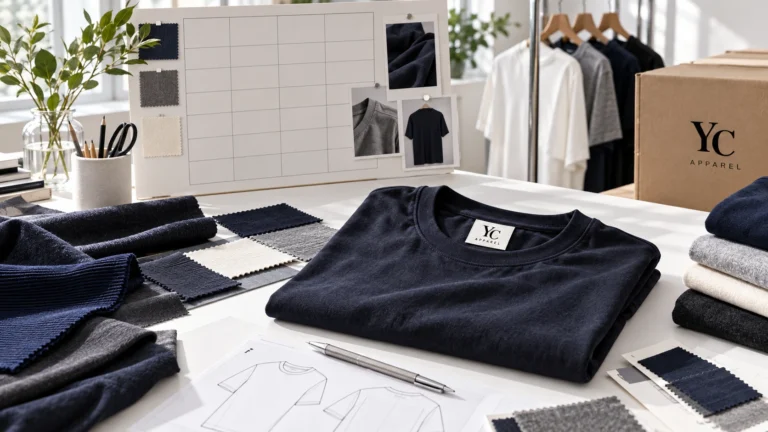
Production planning
Garment production timeline: work backward from a launch you can actually support.
“Production takes four weeks” is not a launch date. Your schedule also needs approved inputs, transport, receiving and enough time to make the stock ready to sell.
Read the guide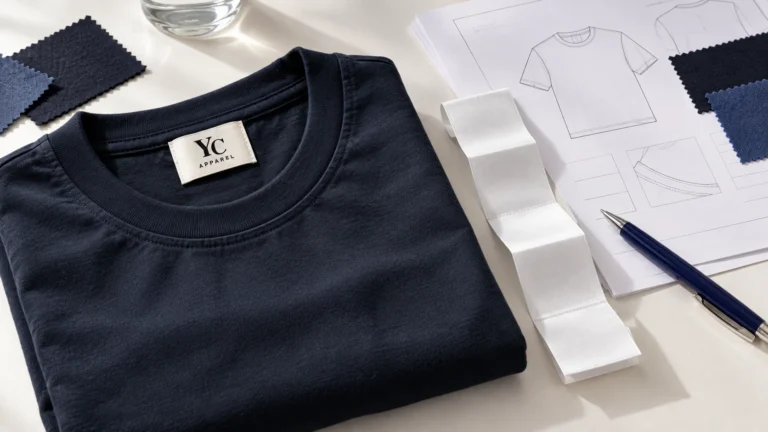
Label requirements
EU clothing labels: build a destination-country checklist before launch.
An English label is not a complete European market plan. Start with the countries where consumers will buy the product, then connect the physical label and online listing to the same verified facts.
Read the guide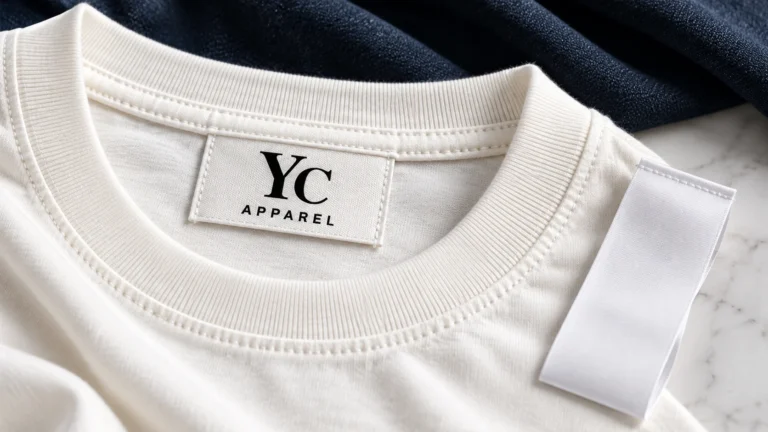
Label requirements
US clothing label proofing: check the facts before printing the labels.
A polished label can still contain an unsupported care instruction, incomplete composition or the wrong business identity. Review the underlying facts before approving the artwork.
Read the guide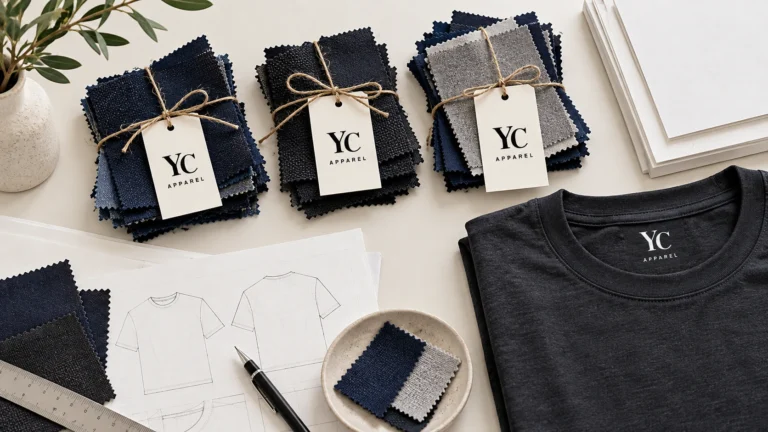
Certification checks
GRS certification documents: connect the supplier certificate to the order.
A valid scope certificate answers a supplier-level question. Your purchase still needs a traceable connection between the claimed material, the goods and the transaction.
Read the guide
Certification checks
OEKO-TEX vs GOTS: check what the certificate actually covers.
Two recognizable labels can answer different questions. Before putting either on a product page, connect the certificate to the holder, covered product and intended claim.
Read the guide
Fabrics & materials
Recycled polyester fabric: verify the content before making the claim.
“rPET” describes a material origin, not a complete fabric specification. Buyers still need the blend, construction, performance and evidence connecting the claim to the order.
Read the guide
Fabrics & materials
Deadstock fabric for a clothing brand: inspect the lot before building the collection.
A promising roll can support a distinctive capsule. It can also leave you short of usable fabric, matching shade or a repeat order. Buy the identified lot, not just the story attached to it.
Read the guide
Print development
All-over print design: protect the artwork at seams, edges and across sizes.
A repeat that looks seamless on a screen can break at a side seam or lose a key motif near a neckline. Design for the cut panels and the sewn garment, not just the flat canvas.
Read the guide
Decoration development
Chenille embroidery for clothing: the design checks to make before sampling.
The raised, soft surface is the appeal—but small letters, narrow gaps and attachment details can change the result. Start with a sample brief that protects the design and the garment.
Read the guide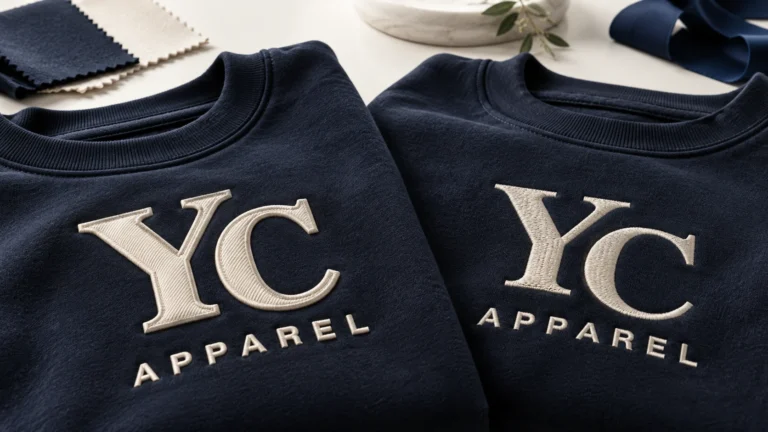
Decoration development
Appliqué vs embroidery: choose by the finished garment, not the technique name.
A large chest graphic can be filled with stitches, built from cut fabric, or combine both. The best choice depends on the surface, edge, weight and wear experience you want.
Read the guide
Print development
Fabric print strike-off approval: what a small sample can—and cannot—prove.
A beautiful print swatch is only useful when it represents the material, artwork and process you intend to order. Make its approval scope explicit before production starts.
Read the guide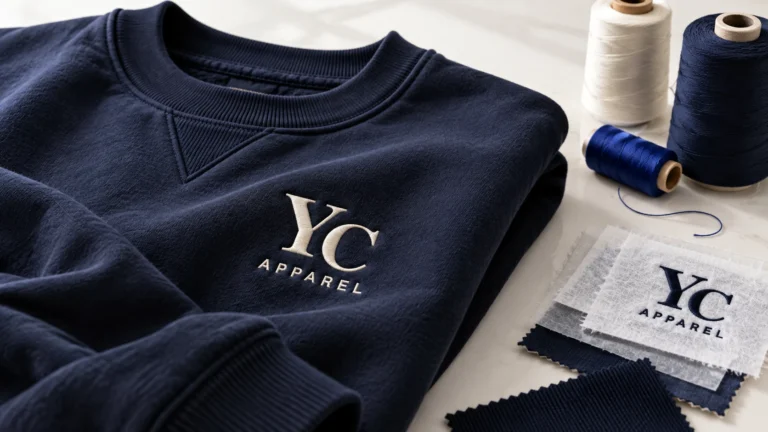
Embroidery & quality
Embroidery puckering: how to review the sample before production.
A logo can look sharp in the hoop and distort the garment after release. Judge the embroidery as part of the finished garment, including the reverse and the way it sits on the body.
Read the guide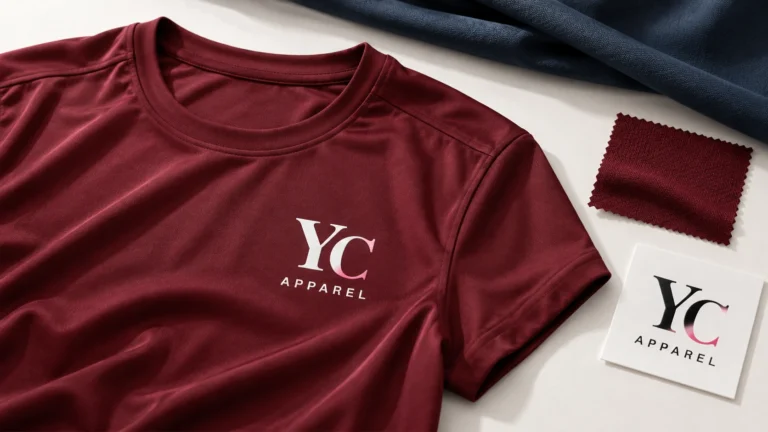
Printing & quality
Dye migration in printed apparel: how to spot it and brief the printer.
A white logo that turns pink or grey may have a material interaction behind it. The right response begins with the actual dyed fabric, not a generic promise of “anti-migration ink.”
Read the guide
Printing & quality
Screen print cracking after washing: how to investigate a failed sample.
A cracked print is evidence of a problem, but it is not a complete diagnosis. Preserve the garment and connect the damage to the substrate, ink system, curing and care history.
Read the guide
Quality & construction
Seam puckering: a practical troubleshooting guide for clothing samples.
Pressing a seam smooth can hide the symptom. A better sample review asks when the ripples appear, what they follow and which controlled change makes them disappear.
Read the guide
Quality & testing
Color fastness to washing and rubbing: what clothing buyers should request.
A shade can match perfectly at approval and still transfer onto a white panel, a bag or another garment. Treat color accuracy and color durability as separate decisions.
Read the guide
Quality & production
T-shirt seam twisting after washing: causes and sample checks.
A side seam that drifts toward the front is a symptom. A useful investigation connects that symptom to the fabric, cutting and finished garment—not just the sewing line.
Read the guide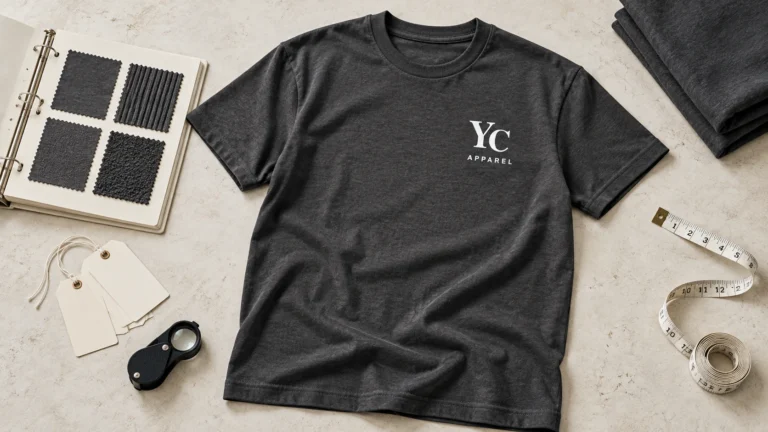
Finishing & materials
Enzyme wash for clothing: specify the finish, then check the sample.
“Enzyme wash” is not a complete finish specification. Turn a soft-handfeel request or a vintage reference into a sample brief that protects the garment as well as its appearance.
Read the guide
Fabrics & materials
Single jersey vs double jersey: look beyond the fabric weight.
Two fabrics can share a fiber composition and a similar GSM while making very different garments. Learn which structural clues matter—and what still needs a sample comparison.
Read the guide
Seams & construction
Coverstitch vs overlock: specify the seam your garment needs.
“Better stitching” leaves too much open to interpretation. Identify the operation, show both sides and turn the desired result into a sample requirement.
Read the guide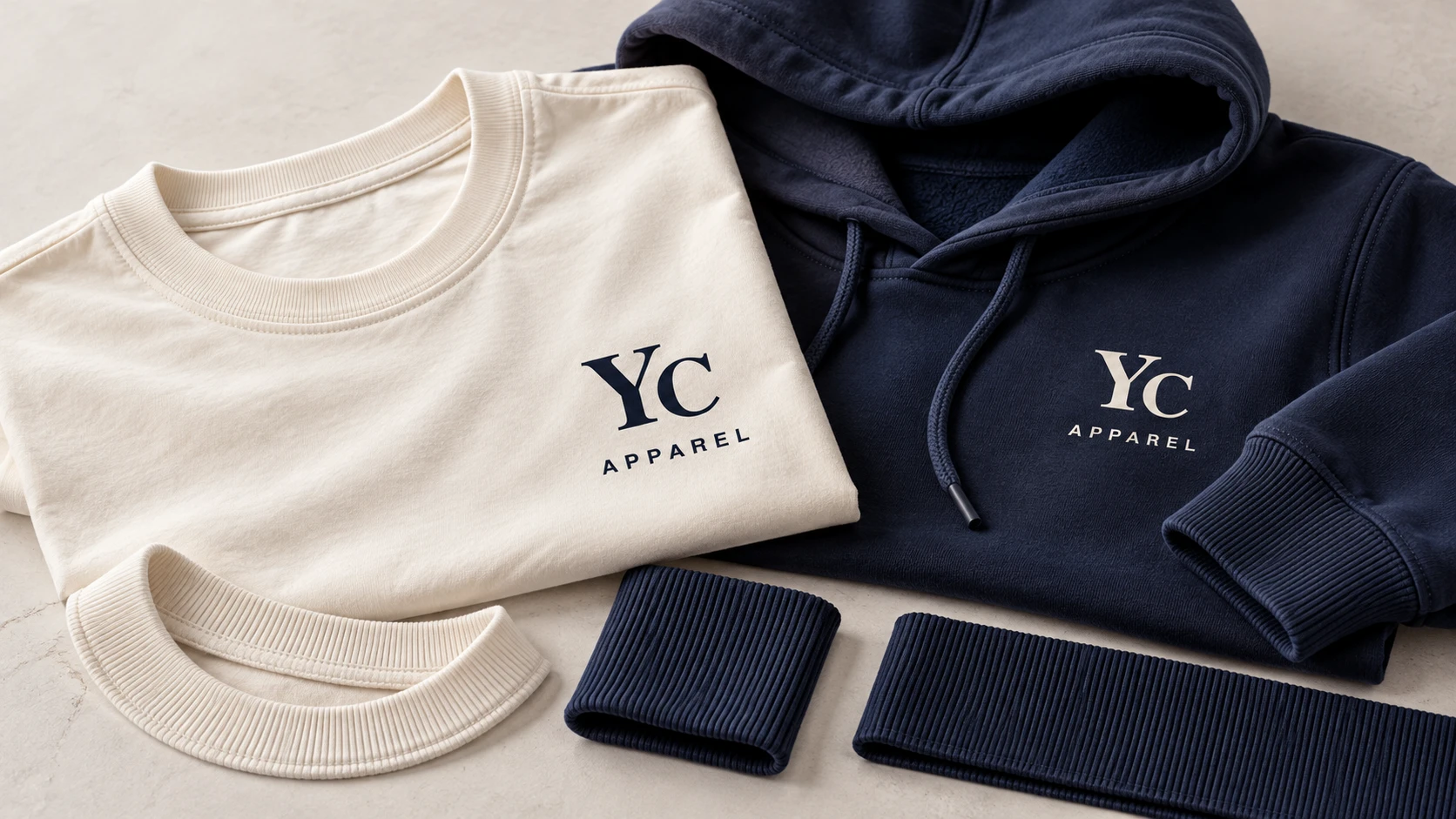
Fit & development
1×1 rib vs 2×2 rib: choose neckbands and cuffs.
Review the rib and garment as a system. Record extension, residual growth, attachment and care conditions in an editable worksheet.
Read the guide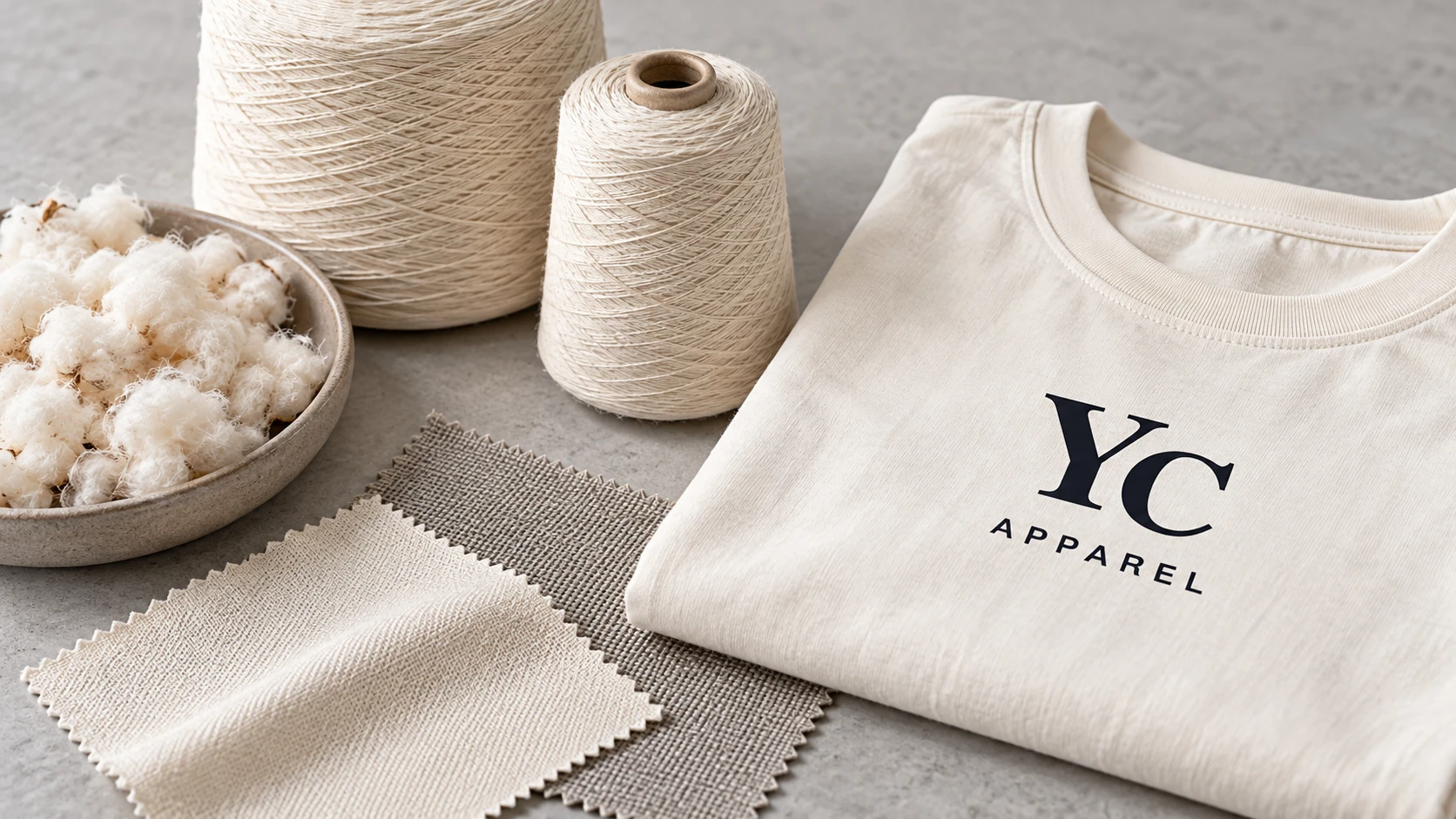
Fabrics & materials
Ring-spun cotton and combed cotton: what buyers should specify.
Separate fiber preparation from spinning, then compare complete yarn and fabric specifications. Includes an editable cotton sourcing brief.
Read the guide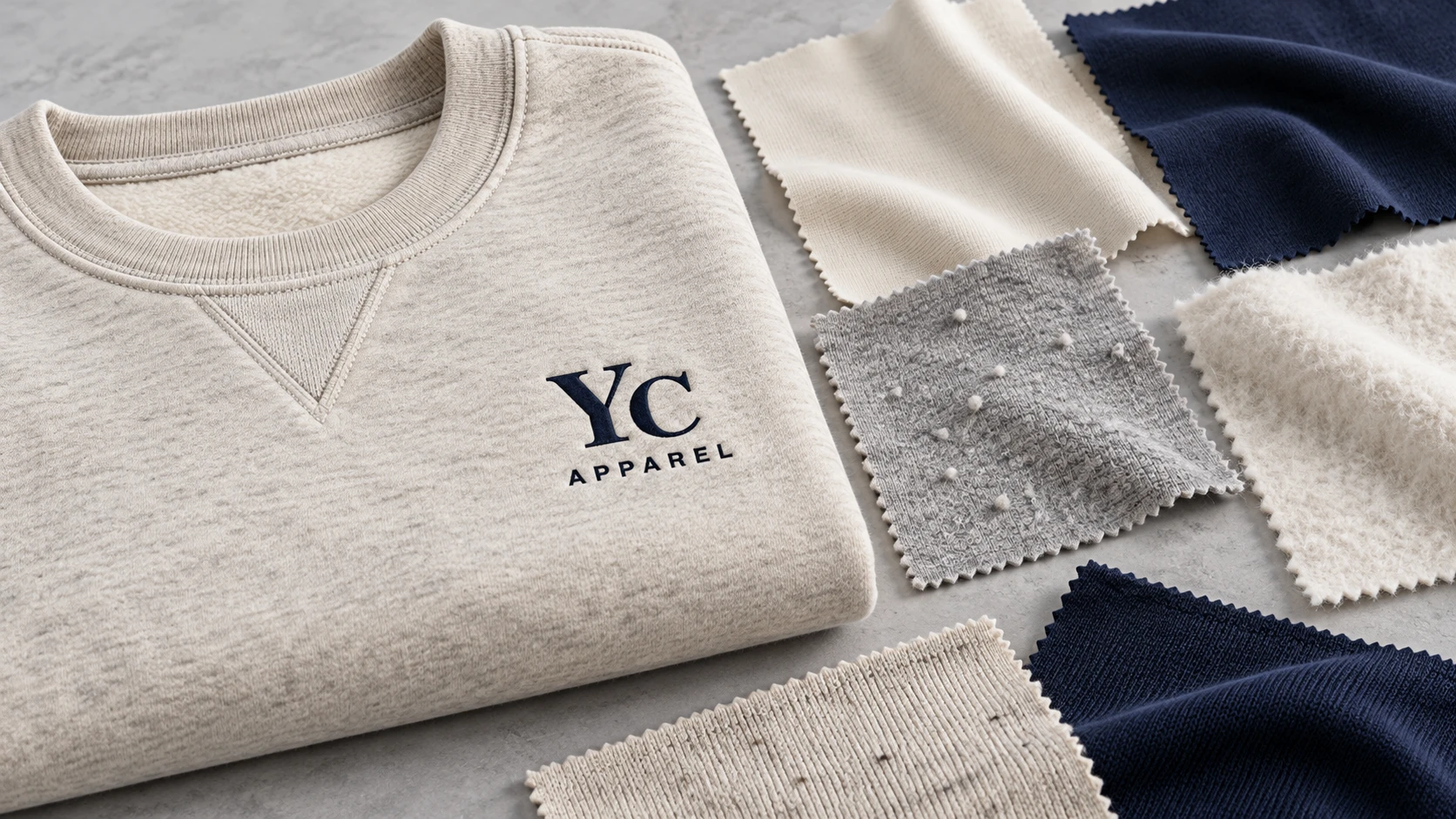
Fabrics & materials
Fabric pilling: set a clear appearance requirement before bulk.
Define appearance requirements, read pilling reports in context and record the evidence before bulk production. Includes an editable brief.
Read the guide
Quality & production
Seam slippage: find what moved before changing the thread.
Distinguish yarn displacement, broken stitches and fabric rupture. Keep material, assembly and test evidence together in an editable record.
Read the guide
Color & development
Lab dip approval: give color decisions a clear reference.
Set the color standard, material and viewing conditions. Record actionable comments and approval references in an editable worksheet.
Read the guide
Cost & sourcing
T-shirt manufacturing cost: compare what the price includes.
Compare fabric, construction, decoration and setup charges on the same scope. Includes an editable quote worksheet and cost calculator.
Read the cost guide
Quality & production
Garment inspection: turn observations into clear decisions.
Check measurements, workmanship, assortment and packing against approved references. Includes an editable inspection record with export and import.
Read the inspection guide
Development & sampling
Pattern grading: keep the fit across your size range.
Define garment measurements, compare size increments and review the size set. Includes a free editable size-range worksheet.
Read the grading guide
Development & sampling
Preshrunk cotton: verify the fit after care.
Agree care-test conditions, measure consistent garment points and review signed dimensional change. Includes a free six-point wash-test record.
Read the shrinkage guide
Fabric & finishing
Garment dyed meaning: pigment dyeing and sample checks.
Understand the coloration stage and pigment system. Specify shade, seams, trims and care checks with a free garment-finish brief.
Read the garment dyeing guide
Printing & decoration
Embroidery vs screen printing: choose for the garment.
Compare thread and ink using the actual artwork, garment and placement. Review backing, comfort, quotations and samples with a free comparison brief.
Read the decoration guide
Printing & decoration
DTF vs screen printing vs DTG: 7 key differences.
Compare artwork, fabric, hand and total decoration cost using one brief. Includes a quote calculator and a free sample comparison sheet.
Read the printing comparison
Printing & decoration
Puff print: artwork, placement and sample review.
Plan raised artwork at final size, check fabric and placement, and review physical samples. Includes a scaling tool and free decoration brief.
Read the puff print guide
Fabrics & materials
Best fabric for T-shirts: a sourcing guide.
Connect feel, fit and decoration with a clear fabric brief. Compare quote units using the calculator and download a free working template.
Read the T-shirt fabric guide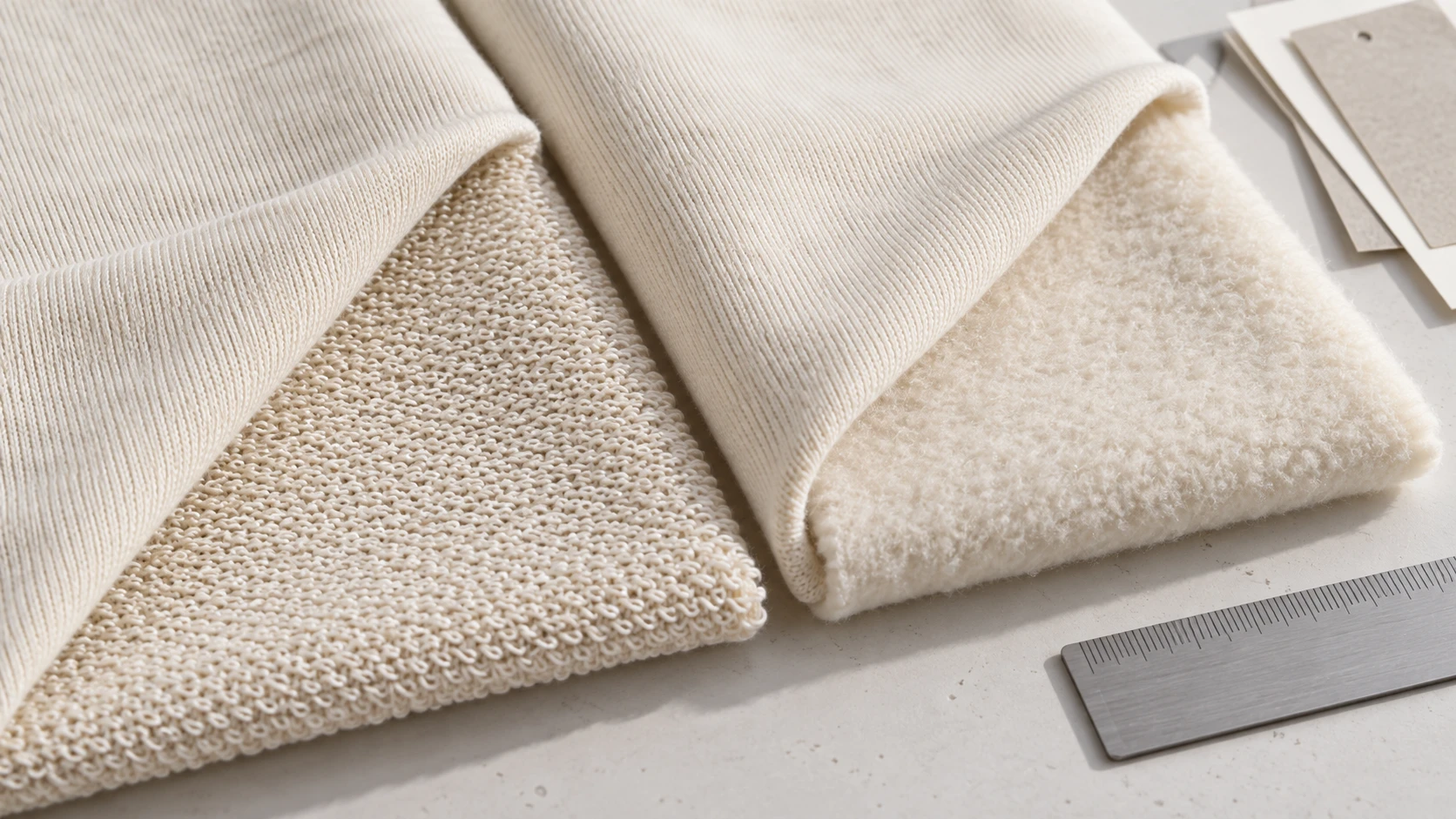
Fabrics & materials
French terry vs fleece: choosing hoodie fabric.
Compare loopback and brushed interiors, align specifications and check wash behavior. Includes a free swatch comparison tool.
Read the fabric comparison
Development & sampling
Hoodie tech pack: fit, hood, rib and construction.
Specify the hood, sleeves, rib and pockets together. Includes an artwork clearance calculator and a free Excel template.
Read the hoodie guide
Development & sampling
T-shirt tech pack: from sketch to sample.
Connect drawings, measurements, materials and sample review with a blank template and a filled T-shirt example.
Explore the T-shirt example
Production decisions
Cut and sew vs blanks: choose your starting point.
Compare finished blanks, adapted patterns and new garment development. Use the route finder and free production brief.
Compare production routes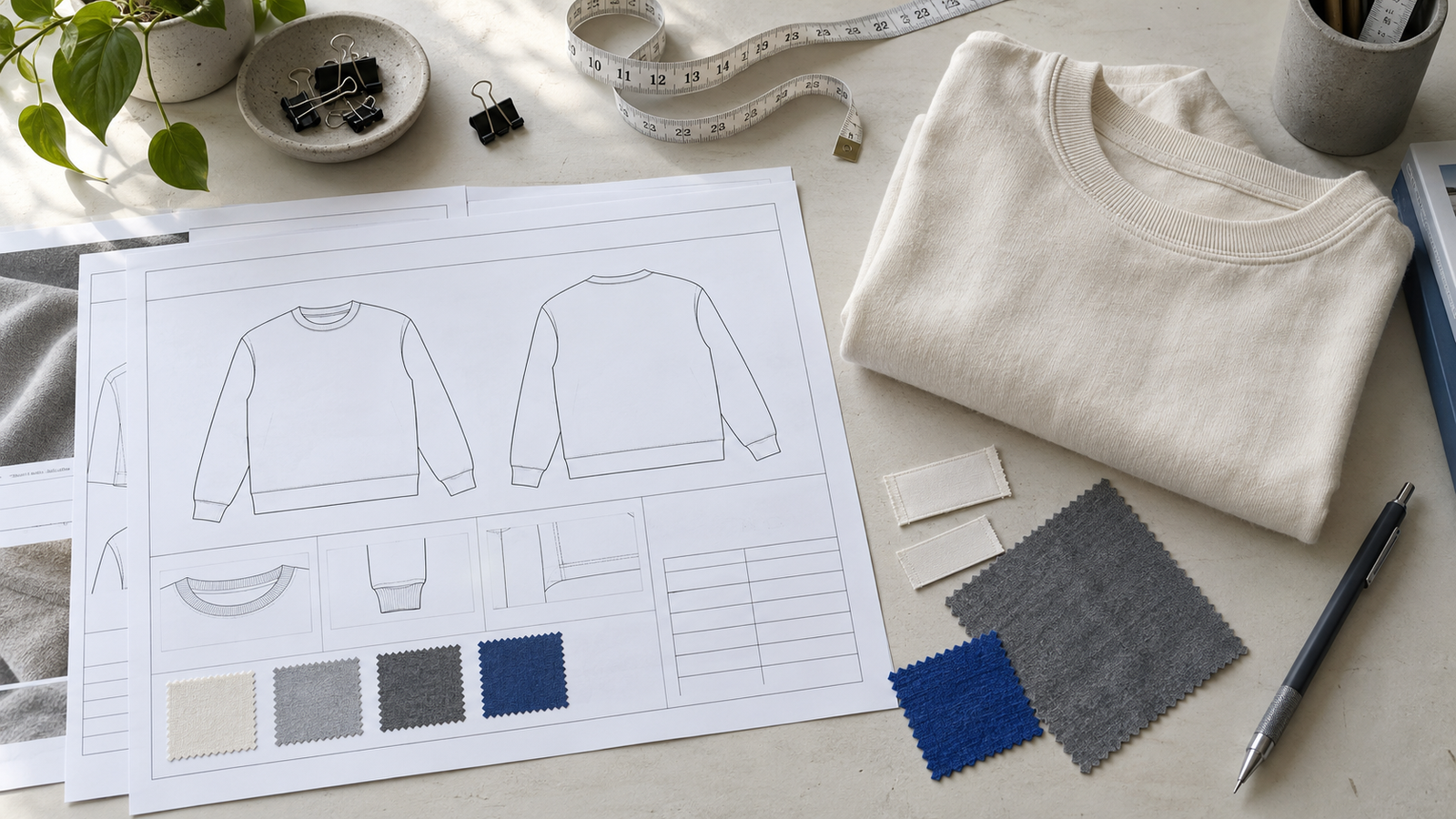
Development & sampling
Prepare your clothing tech pack before sampling.
Define drawings, materials, measurements and revisions with a free editable Excel starter template.
Read the tech pack guide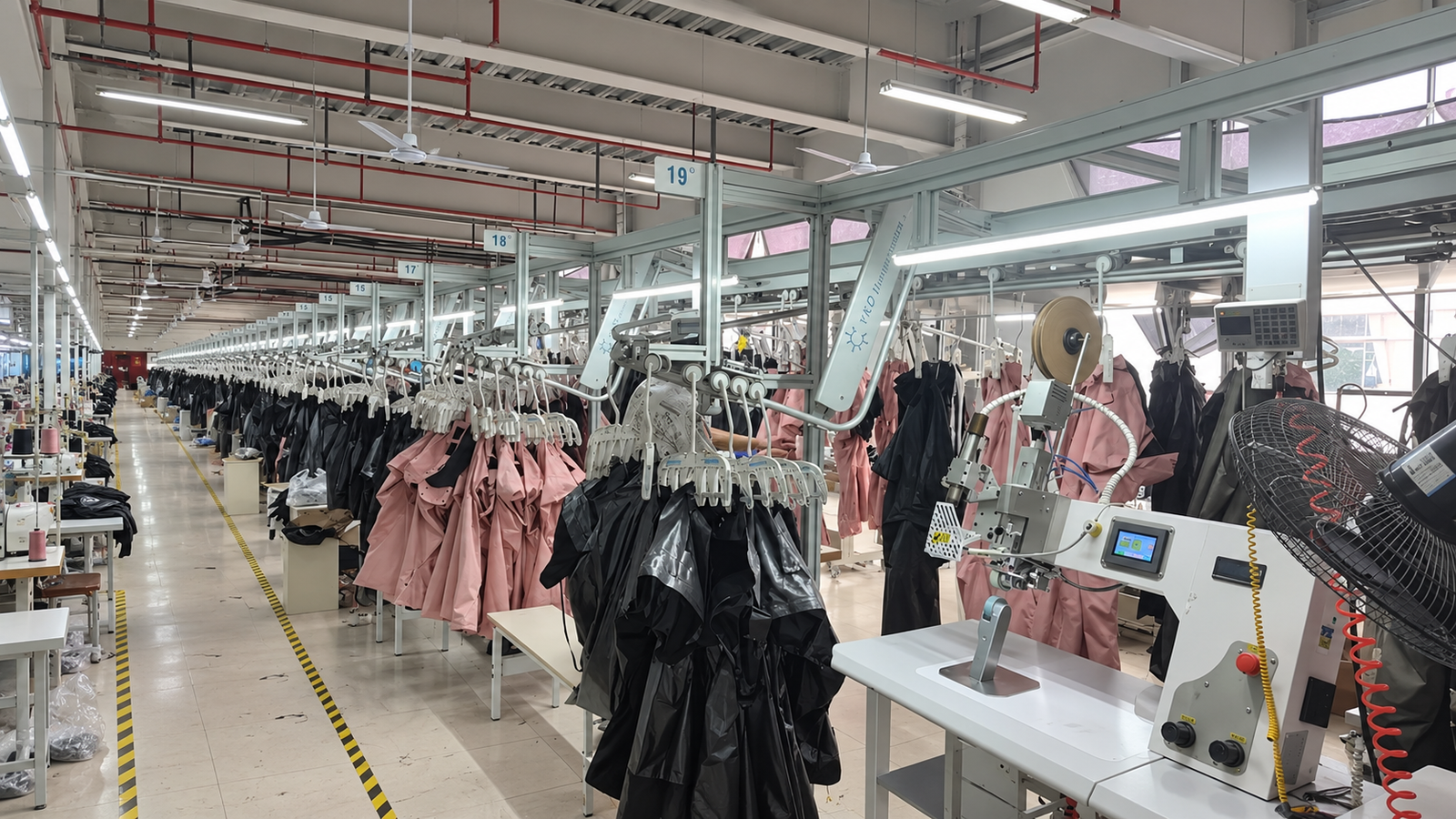
Sourcing & production
Find a clothing manufacturer for your brand.
Build a supplier shortlist, verify the evidence, compare like-for-like quotations and approve a sample before bulk production.
Read the sourcing guide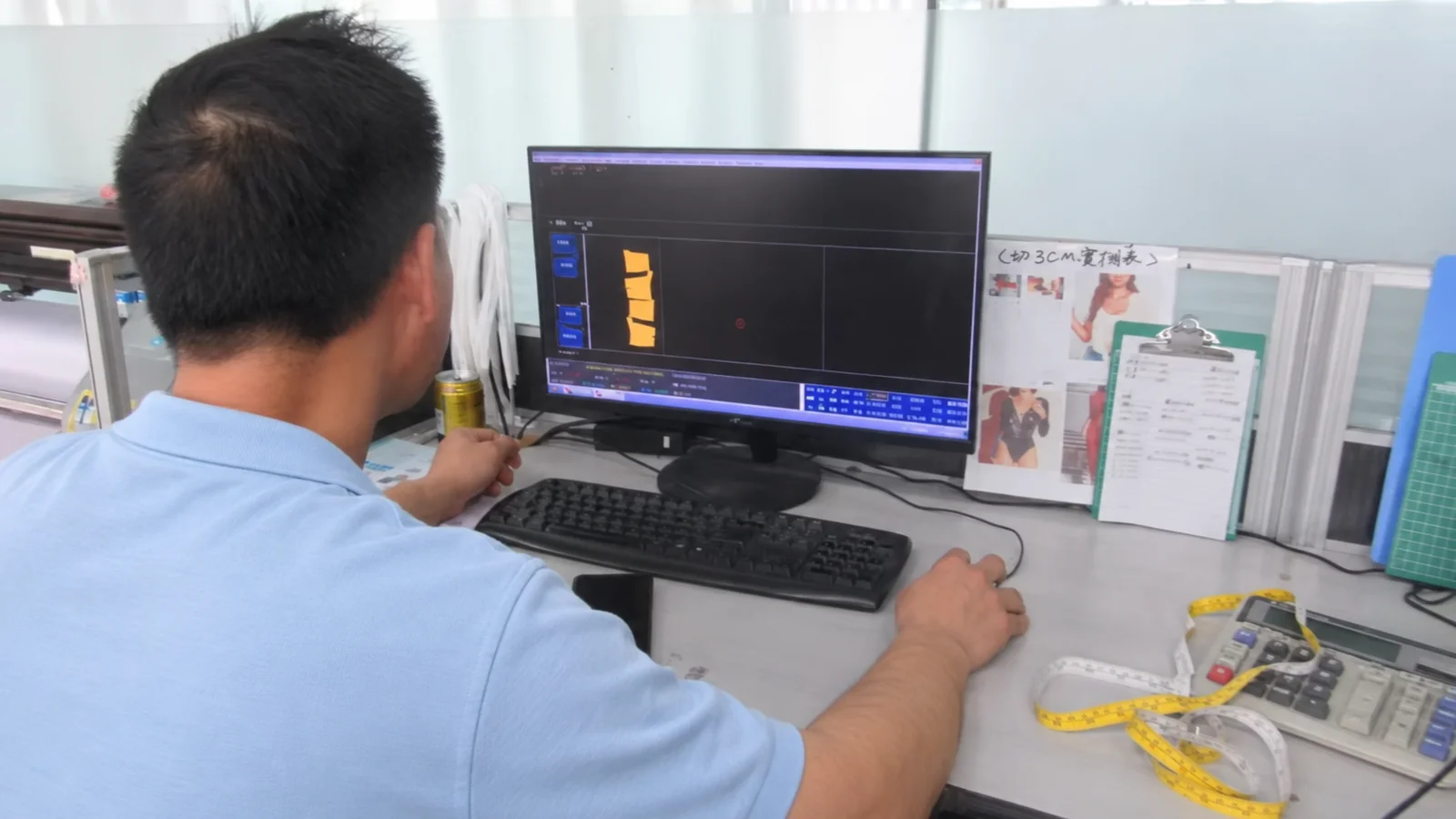 Computer-aided pattern making at Yuchen.
Sampling Start here
From your first brief
to a better sample.
What to prepare, what to check and how to give useful feedback before moving your clothing project forward.
- Build a clear brief
- Review fit and details
- Record revisions
Order planning
Making sense of
clothing MOQ.
Understand how styles, colors and size splits fit into your order plan. Yuchen’s MOQ is 100 pieces per style, per color, with mixed sizes.
Read the MOQ guideFabric
What does fabric
GSM tell you?
Get familiar with fabric weight and the questions to ask about composition, construction and feel when developing a T-shirt or hoodie.
Read the fabric guideLabels & packaging
Put your brand
in the details.
Plan label placement, hangtags and packaging together. Prepare artwork and specifications to discuss alongside your garment brief.
Read the branding guideLet’s talk about your project
Bring the idea.
Let’s work through the details.
Opens your email app. Share your product,
references and estimated quantity.