
Clothing MOQ.
Explained.
Plan the quantity behind your collection.
One style, one color, one size breakdown at a time.
A practical guide for custom apparel projects.
Teaching example only. Colors and size allocation are hypothetical; material and process requirements need review.
Start with the right unit
A total order is only
part of the picture.
MOQ means minimum order quantity: the minimum number of units for a defined order or production requirement.
Per style, per color. Mixed sizes are allowed.
The garment minimum is the starting point. Confirm the complete specification, including materials, decoration and trims, before committing to a production quantity.
Count each design separately.
A T-shirt and a hoodie are different styles. Changes to the cut or construction may create another style; clarify this in your brief.
Split each style into colorways.
100 black pieces plus 100 chalk pieces means 200 pieces of that style. Splitting 100 into 50 of each color does not meet a 100-per-color garment minimum.
The colors and split above are a teaching example.
Allocate sizes within each color.
Mixed sizes share the style-and-color quantity. Confirm your size range and quantities; there is no fixed size ratio stated in this guide.
Try the breakdown
Small changes.
Different totals.
Explore how styles and colors change your order. This teaching tool uses the same quantity and size ratio for every style–color combination.
Your example, in pieces
1 style × 2 colors × 100 pieces
Within each color
100 pieces- S
- 17
- M
- 33
- L
- 33
- XL
- 17
This example reaches the 100-piece garment minimum for each style and color. Material, trim and process requirements still need confirmation.
Illustrative allocation, not a quote or order approval. Rounding keeps the size total exact. No recommended size ratio is implied.
Beyond the garment count
The material has
a minimum, too.
A garment quantity does not automatically satisfy every supplier or production requirement. Ask what each minimum applies to, and which unit it uses.
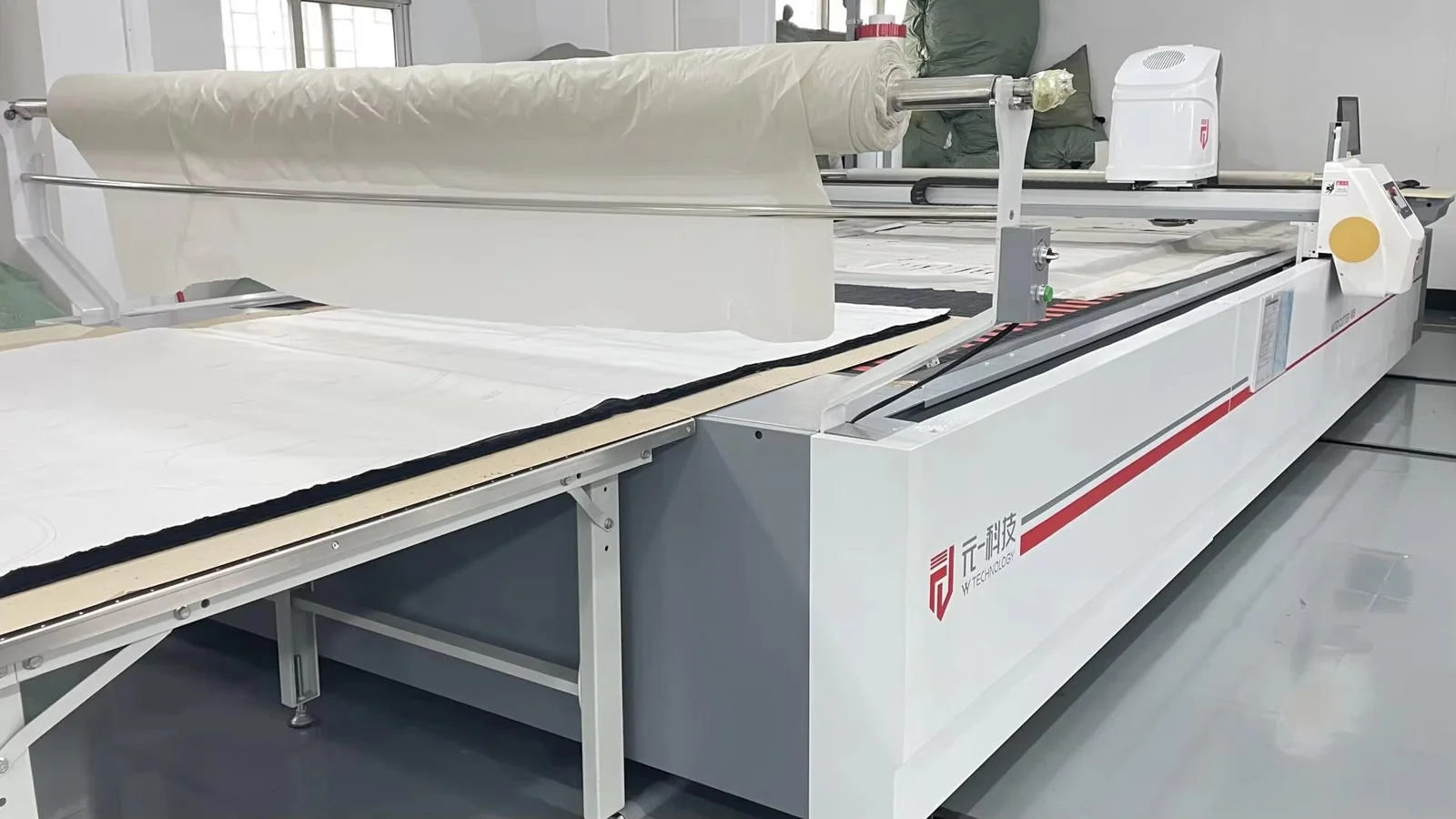
Fabric & custom dyeing
Available fabric and custom-developed fabric can have different requirements. A mill or dye lot may be measured in kilograms or meters, rather than finished pieces.
Ask: Is this fabric and shade available, or does it need a new production or dye lot?
Print, embroidery & washes
Artwork, placement, print colors, embroidery coverage and wash treatments can affect setup and batch requirements. A setup charge and a minimum quantity are separate questions.
Ask: Which requirement applies to this exact artwork and finish?
Labels, trims & packaging
Custom labels, zippers, hardware, hangtags or packaging may have supplier minimums separate from your garment order.
Ask: What must be purchased, what will be used, and how will any excess be handled?
Consumption depends on the garment, fabric width, size mix and cutting allowance. Request a project-specific calculation; no universal kg-to-pieces conversion is given here.
Development and production
A sample answers
a different question.
Approving a sample does not by itself confirm the quantity, price or material availability for bulk production.
Can the design work?
- Discuss fit, construction and decoration.
- Identify the fabric and trim direction.
- Record substitutions used for the sample.
- Agree the sample scope, fee and timing.
A sample may use available materials. Confirm whether those materials represent the planned bulk specification.
Can this plan be repeated?
- Confirm every style–color quantity.
- Approve the size breakdown.
- Check fabric, dyeing and trim requirements.
- Agree specifications, price and production schedule.
Recheck the plan if the design, colors, materials or quantities change after sampling.
Before you request a quote
Bring a breakdown.
Get a clearer answer.
A total quantity helps. A quantity by style and color helps much more.
Plain-text planning sheet. Downloads locally; nothing is sent.
Define the garment
Product type, design reference or tech pack, fit, fabric composition and target weight.
Break down the quantity
Each style, each color, requested sizes and pieces per size. Separate a first order from a future forecast.
Describe the details
Artwork size and placement, print or embroidery, washes, labels, hardware and packaging.
Explain the boundaries
Target budget, destination, timing and which details can change. Request confirmation of sample and bulk terms separately.
Questions worth asking.
Can different styles be combined to reach the MOQ?
The confirmed garment minimum applies to each style and each color. Adding different styles together does not replace that breakdown. Ask whether materials can be shared across designs and whether that changes any supplier requirement.
What if my planned quantity is below 100 per color?
Share the breakdown for review. Reducing the number of colors may help you concentrate units; available fabrics or simpler trims may offer other planning options. This guide does not promise acceptance below Yuchen’s confirmed garment minimum.
Is there a separate minimum for every size?
Mixed sizes are allowed within the style-and-color quantity. Send your proposed sizes and allocation for confirmation. This guide does not state a per-size minimum or a compulsory ratio.
Will a repeat order have the same requirements?
Ask for confirmation before reordering. Material availability, dye lots, trims and production scheduling may need a fresh review. Do not assume an earlier sample or order reserves stock.
Put the plan
into a product.
Explore all products Have a quantity in mind?
Let’s review
your breakdown.
Share the styles, colors, sizes and finish you want. Confirm the full production requirements before placing an order. The email button opens your email app; it does not send automatically.
Email your project