
01
Identify the damage without stretching the evidence
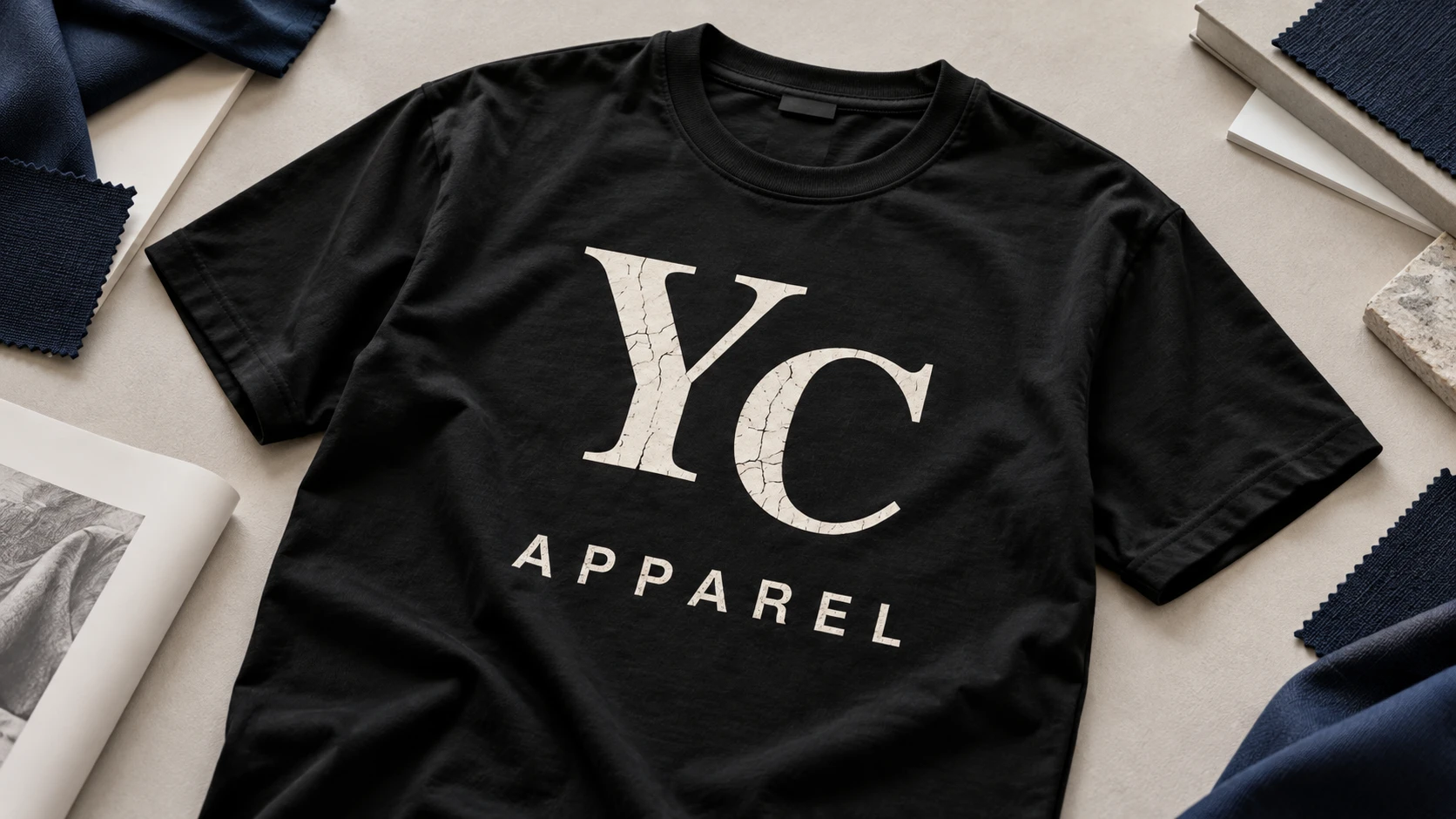
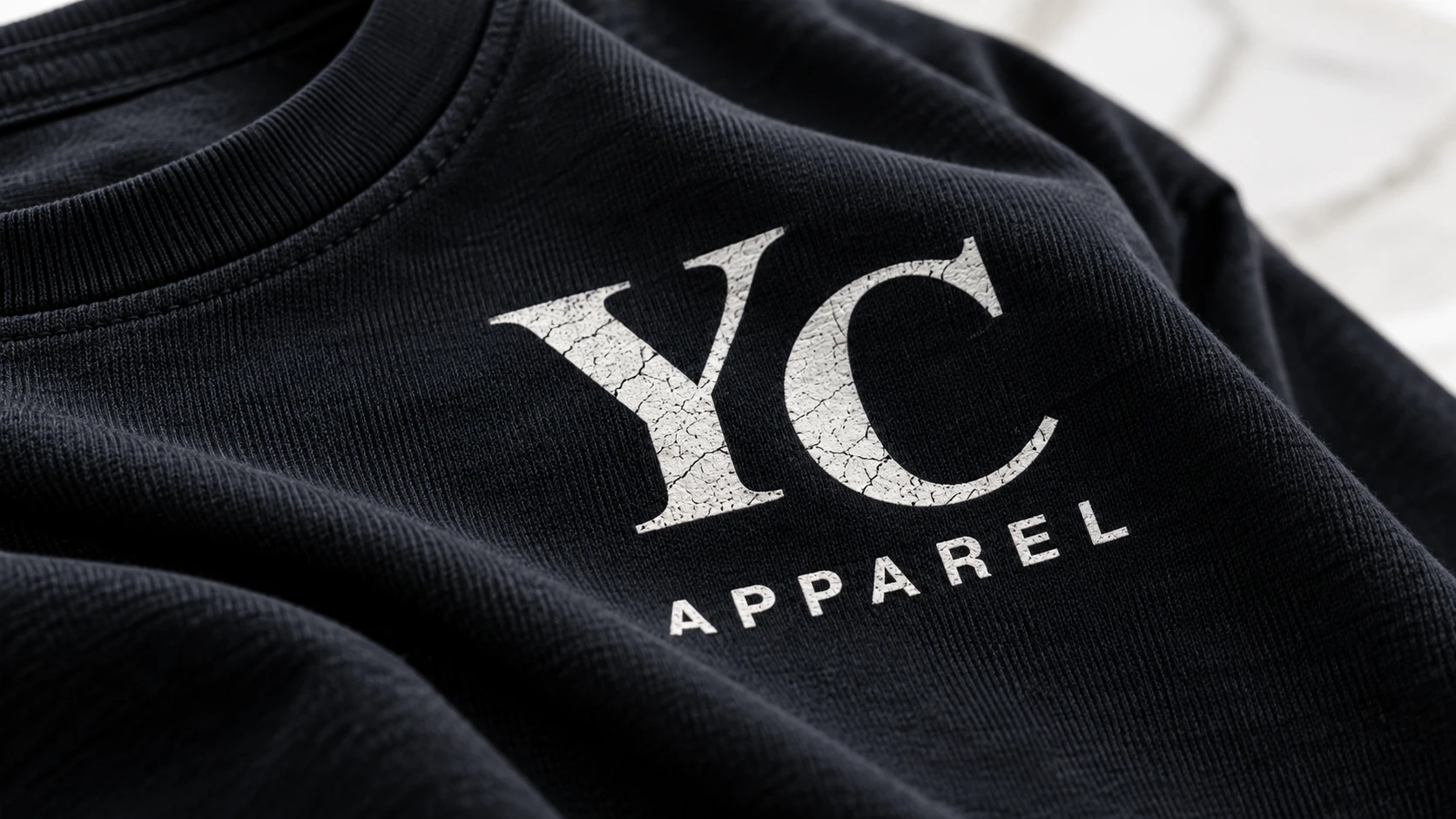
Photograph the print at rest before pulling the garment. A print that opens only when a highly elastic fabric is stretched presents a different question from a surface that is already fractured while relaxed. Record whether the cracks expose the base fabric, whether edges lift, and whether material is missing.
Compare the sample with the approved artwork. Intentional distress should have a controlled pattern and a reference; it should not become a convenient explanation for random damage after washing. Preserve both the artwork revision and the approved physical sample.
Do not rub away loose areas to make the defect clearer. Keep a close-up and a wider view showing location and garment identity. If you have several affected pieces, identify them separately rather than combining the worst details into one apparent specimen.
| Visible symptom | Record first | Do not conclude from appearance alone |
|---|---|---|
| Fine cracks through the print | At rest or only under defined extension | That the dryer temperature was definitely too low |
| Edges lift or film separates | Location and extent of separation | That all adhesion failures have one cause |
| Designed gaps in artwork | Match to approved artwork and sample | That new random gaps are intentional |
| Print becomes tinted | Hue change and timing | That tinting is the same defect as cracking |
02
Request production evidence that matches the sample
Ask for the fabric composition and lot, print artwork revision, ink system, additives and process sequence. Record whether the print was applied before or after another treatment. A claim that the ink is “premium” says nothing about its suitability for this substrate.
Avient identifies curing and ink-system compatibility as relevant to performance, including cracking and wash failure.[1] Use that as a reason to request the supplier’s technical evidence. Do not copy a curing temperature from a different ink product and treat it as the specification for this garment.
The dryer setting alone is not a record of the actual ink-film conditions. Ask the printer how the chosen product’s curing requirements were verified and how the production sample relates to that verification. Keep technical product instructions and any trial record together.
| Record | Why it matters |
|---|---|
| Fabric composition, color and lot | Connects the test to the real substrate |
| Ink system and technical instructions | Identifies the applicable product requirements |
| Artwork and print construction | Preserves the intended coverage and appearance |
| Curing verification | Distinguishes actual process evidence from a machine dial |
| Care history and sample IDs | Shows what happened before the damage was observed |
03
Separate curing from flexibility and adhesion questions
Have the printer propose a small trial matrix based on the evidence. One trial might examine the verified curing process; another might examine a compatible ink system for the actual stretch requirement. Keep every change visible. Do not compare two samples made on different fabrics and call the ink the only variable.
Define the garment condition when checking deformation. A T-shirt should not be stretched arbitrarily until the print fails and then judged against an unstated expectation. If extension matters to the product, agree how it will be assessed and whether recovery is also relevant.
After the agreed care sequence, compare the print at rest, edges, handfeel and relevant deformation. A softer print is not automatically more durable. A thicker print is not automatically safer. The trial needs to meet the approved appearance as well as the performance brief.
Controlled reapproval
- RetainOriginal failure, approved reference and care record.
- ExplainPrinter identifies the suspected cause and supporting evidence.
- TrialRepresentative fabric with documented process changes.
- RecheckFinished garment after the agreed care and handling conditions.
04
A useful supplier response is testable
Suppose a hypothetical black logo cracks on a stretch jersey sample after washing. The supplier replies, “We will increase the heat.” That response is incomplete. Ask which ink requirement was not met, how the change will be verified, and whether the fabric and other components tolerate the revised process.
On polyester, heating can also interact with color migration. Avient recommends pretesting actual substrates and selecting appropriate printing systems.[2] Increasing heat without reviewing the whole construction may exchange cracking for a different defect.
A stronger response identifies the trial, its material and ink references, the verification method and the next sample. Approval follows the result. If the proposed fix changes gloss, handfeel or color, those changes need their own acceptance rather than being hidden inside “quality improved.”
05
Write a limited, reproducible acceptance statement
Use an approval such as: “Sample P03, fabric lot F07 and artwork revision C accepted for the documented care evaluation; no unapproved cracking or lifting observed under the agreed inspection conditions.” This is an illustrative record format, not a prescribed test standard.
Avoid “permanent print,” “never cracks” and unsubstantiated wash-count claims. If a claim depends on a specific laboratory method, keep that method and result traceable. A home wash observation can support a development discussion, but it is not automatically equivalent to a standardized durability report.
When production begins, retain a representative sample and establish how any change in ink, fabric or curing route will be approved. A successful development trial is useful only if its essential conditions remain connected to the order.
If the proposed correction changes the decoration route, compare its wider implications using the DTF, screen printing and DTG guide before treating it as an equivalent replacement.
06
Print-cracking investigation sheet
Record the original symptom, printer evidence and revised sample without turning an assumption into a root cause.
Attach the approved artwork and paired sample photographs. Record care conditions exactly as performed. Use the decision field only after the revised finished garment has been reviewed; the printer’s proposed process change is not itself an approval.
Print-cracking investigation sheet
Complete the working record, export it to continue later, or print your entries. No account is required.
Open the editable record ↗Download blank text brief07
Questions buyers ask
Is every cracked print undercured?
No. Undercuring is one possibility. The fabric, ink compatibility, required deformation, care history and intended artwork also need review.
Can I repair it with a household iron?
Do not use a household iron as a substitute for the printer’s validated process. It can alter the garment and destroy useful failure evidence. Ask the printer to evaluate a retained sample.
Does a thick print last longer?
Thickness alone does not establish durability. The relevant question is whether the documented print system and process meet the garment’s appearance and performance requirements.
Sources & further reading
Sources checked 18 October 2026. The notes below identify what each source supports. Editorial examples, planning assumptions and illustrations are not supplier test results or official acceptance limits.
- Avient — Printing Performance Wear TipsManufacturer guidance on curing, ink-system compatibility, cracking and migration. Product-specific temperature recommendations are not generalized here.
- Avient — Top 10 Best Practices When Printing PolyesterRecommends actual-substrate pretesting and discusses dye migration. A low-bleed ink designation is not a universal guarantee.