
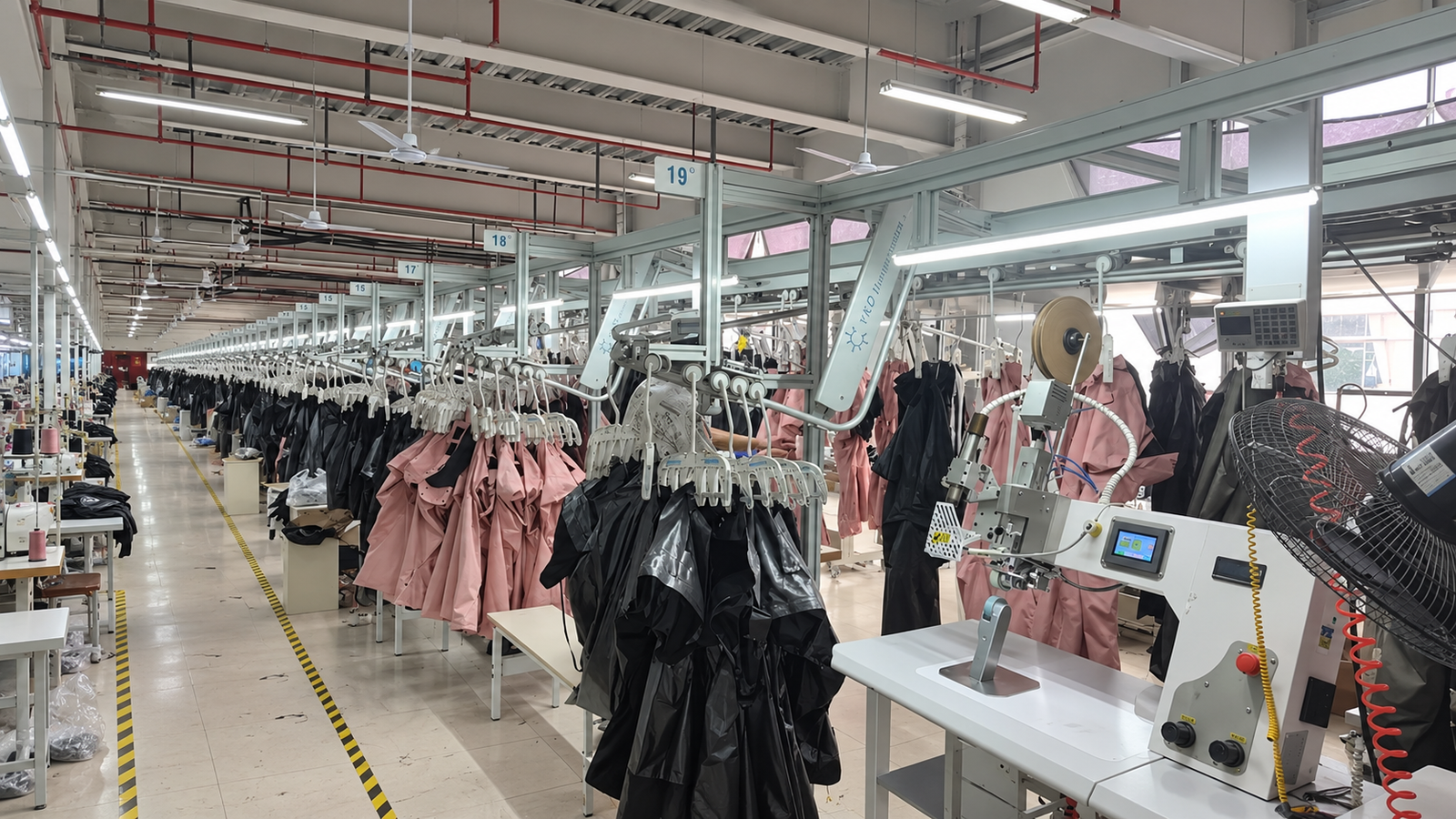
A polished catalogue can show what a supplier wants to sell. It cannot tell you whether that supplier can repeat your fit, work with your order size or document the materials in your product. The useful question is more specific: which manufacturing partner can deliver this garment, under these conditions?
This guide explains how to find a clothing manufacturer for everyday apparel such as T-shirts, hoodies and sweatshirts. It gives you a practical way to move from an idea to a supplier decision. Specialist products, including children’s sleepwear and protective clothing, need additional product-specific requirements.
Define the order before you search
Write a one-page brief before contacting suppliers. A manufacturer can evaluate a defined project much more usefully than “I want to start a clothing brand.” Separate what you already know from what you need help developing.
Your first supplier brief
One version for every supplier- Product
- Garment type, intended customer and fit direction.
- Materials
- Composition, fabric weight and finish; mark undecided items.
- Quantity
- Pieces by style, color and size; identify the first order separately.
- Decoration
- Artwork, dimensions, placement, print or embroidery, labels and packaging.
- Budget & delivery
- Currency, what the budget includes, destination and required arrival date.
- Development
- Existing tech pack or reference sample, and the work still needed.
A first order of 300 pieces could mean one style in one color, or several small style–color combinations. Those are different production requests. Ask whether a minimum applies to the garment, fabric, dye lot, trim or decoration process. Our clothing MOQ guide explains how to break down that quantity.
When looking for a manufacturer with a low minimum order, state both your quantity and where you can be flexible. Available fabric, an existing base pattern or fewer colorways may change feasibility. Ask for options rather than assuming that a low advertised minimum applies to every design.
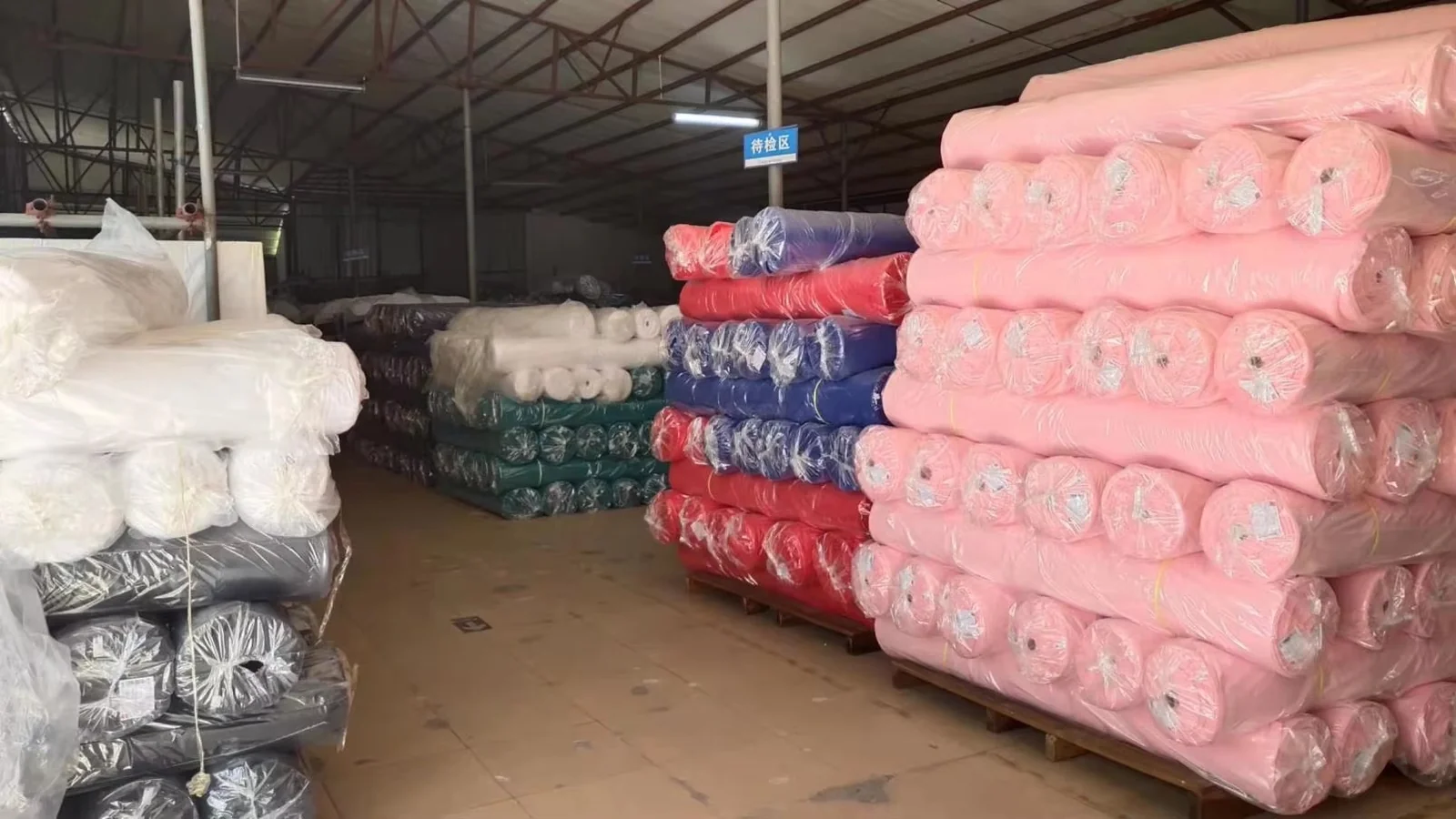
Choose the production route you need
“Clothing manufacturer” can describe several different services. Start with the amount of product development you need, then confirm who is responsible for each part.
| Route | Useful when | Confirm before you proceed |
|---|---|---|
| Decorate existing blanks | An available garment already has the fit and fabric you need. | Blank availability, permitted relabeling, decoration performance and reordering consistency. |
| Adapt an existing style | You can work from a supplier’s established base garment or pattern. | Exactly which measurements, fabrics, colors and details may change. |
| Develop a custom cut-and-sew garment | Your fit, construction or material specification needs its own development. | Pattern work, grading, sampling, material sourcing and responsibility for revisions. |
Names such as “private label,” “white label,” “OEM” and “ODM” are used differently by suppliers. Ask for a written description of the service instead of relying on the label.
A sourcing agent or trading company can coordinate several factories. That can be useful, but establish who contracts with you, who makes the garment, who checks quality and who resolves defects. A factory can also subcontract processes. The key is clear responsibility and traceability.

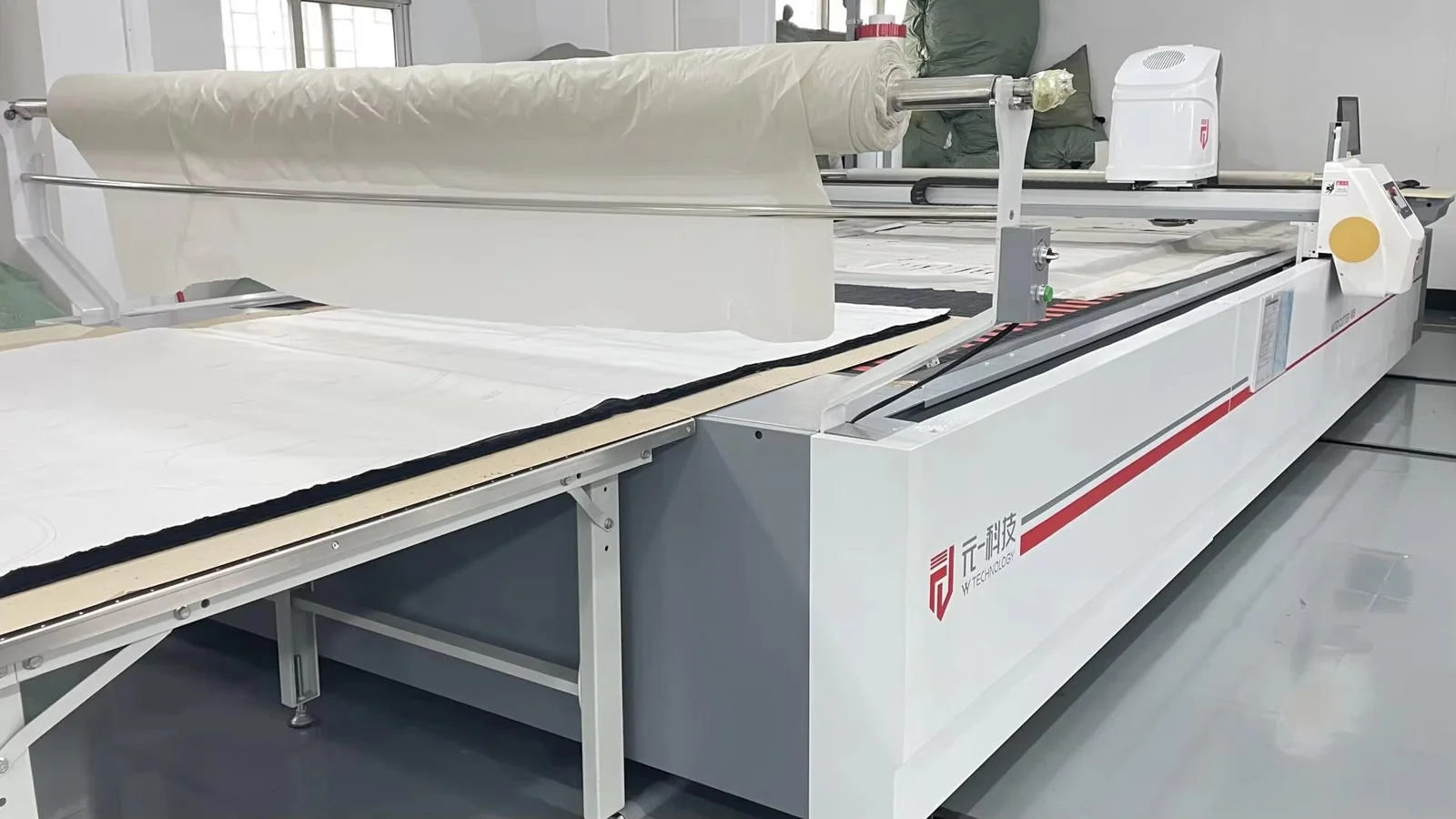
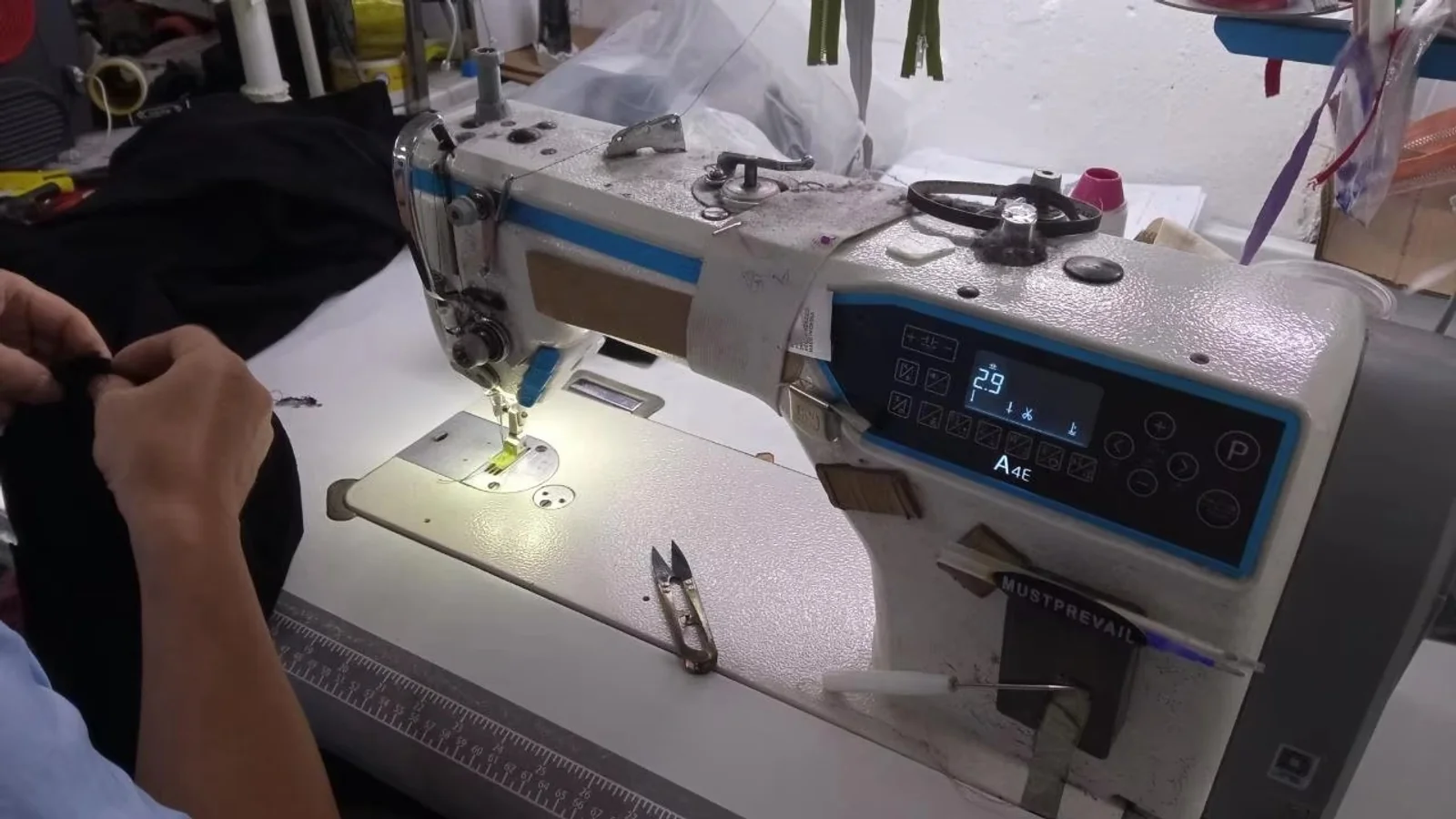
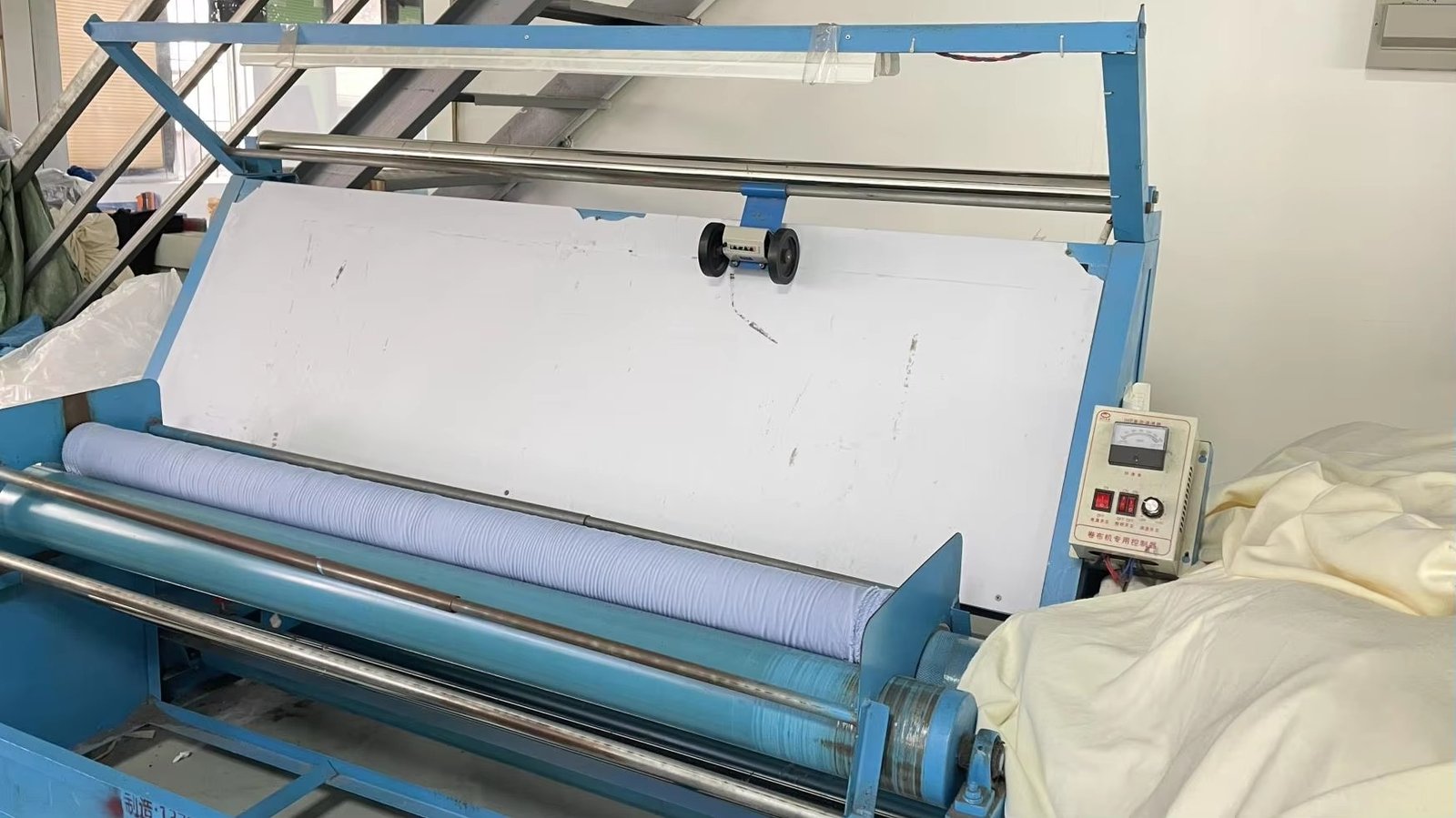
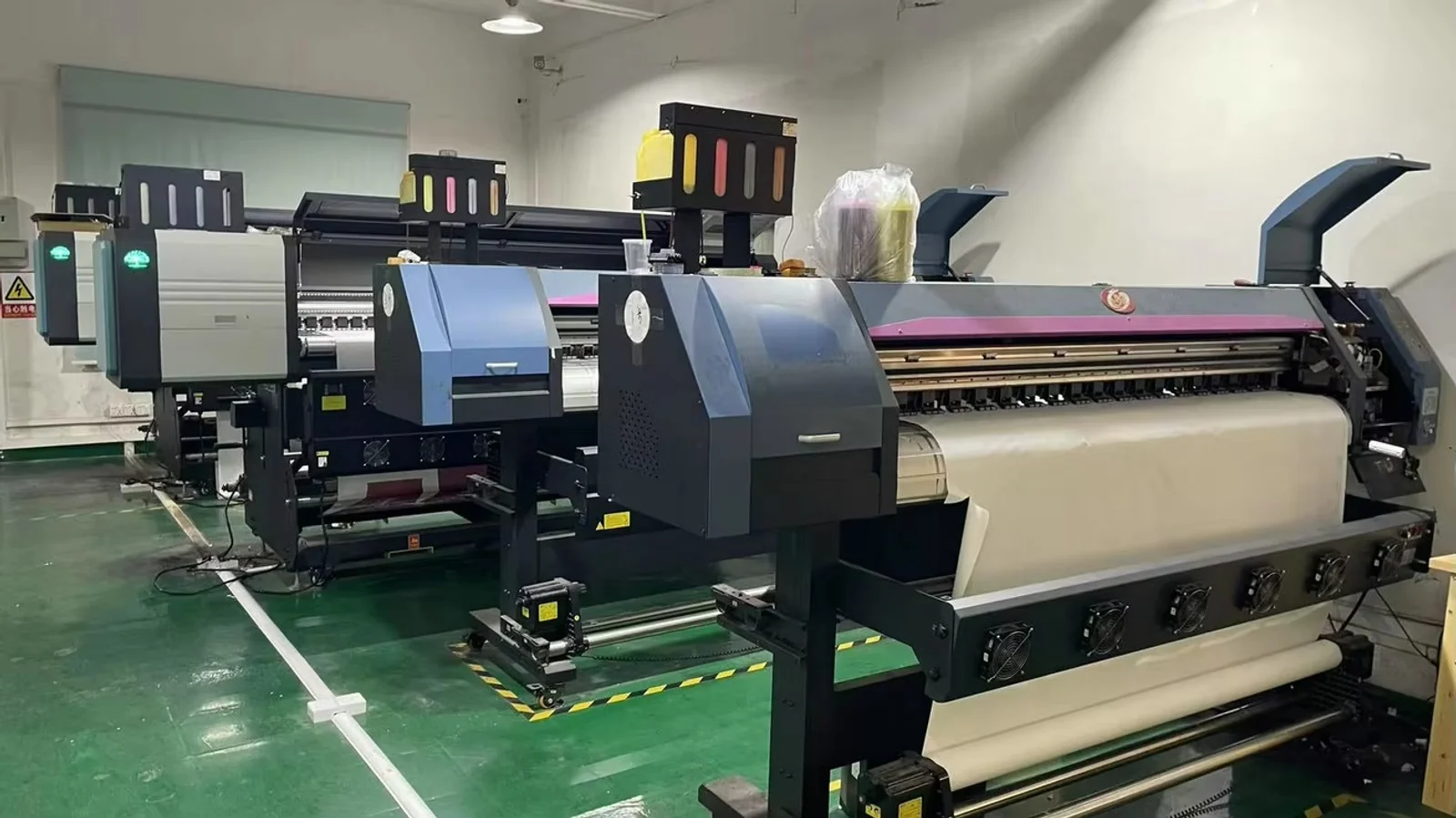
Process photographs supplied by Yuchen. These illustrate questions to investigate; photographs alone do not verify a supplier.
Build a shortlist from more than one channel
Search by the product and capability you need: “heavyweight jersey T-shirt cut-and-sew manufacturer,” for example, is more specific than “best clothing factory.” Add a country or region only when it serves your delivery, communication or sourcing requirements.
A marketplace profile, exhibition listing or referral is a starting point. Keep a short record of the legal name, production location, product specialty, stated minimum, sample terms and evidence still missing. Remove candidates that cannot meet a non-negotiable requirement before spending money on samples.
Official market data · 2025
Selected origins of EU apparel imports
Apparel and clothing accessories (SITC 84), imported from outside the EU.
Established trade flows can suggest where to look. They do not tell you which factory fits your garment, quantity or quality requirements.
Should you source locally or overseas?
Compare the whole project: development access, materials, freight, border formalities, communication and the cost of correcting a mistake. A nearby factory may make visits easier, but proximity does not establish its capability. An overseas supplier may fit your product, but a low unit price does not include every import cost. Confirm the actual manufacturing location; a sales office address is not enough.
Verify the company and the production evidence
Request the supplier’s full legal name, registration number and operating address. Match them across the quotation, contract and payment instructions. For a Chinese supplier, obtain its Chinese legal name and Unified Social Credit Code so you can search the official business registry. If a payment beneficiary differs, establish the relationship and explanation before paying.
| What to check | Useful evidence | What it does not prove |
|---|---|---|
| Legal identity | Official register entry and matching company documents. | Registration alone does not establish production quality or creditworthiness. |
| Relevant capability | Comparable garments, close-up construction views and a live walkthrough of the relevant process. | A showroom sample may not represent the team or line making your order. |
| Production responsibility | A written map of in-house and subcontracted operations, with locations and accountable contacts. | A machine photograph does not confirm ownership, available capacity or access for your order. |
| Certification claims | Certificate number, legal entity, site, scope, issuer and current status. | A logo does not establish that your product or shipment is covered. |
| Quality control | Measurement records, sample comments, defect handling and an agreed inspection plan. | A general “quality guaranteed” statement does not define acceptance. |
China’s official registry supports searches by enterprise name or registration code; Beijing government guidance explains the search options.[4] For a UK company, Companies House provides status, registered-office and filing information.[5] Use registration records to match the company, then seek separate production evidence.
If an order requires a Textile Exchange certification, use its certificate-authentication tools to check the scope certificate and the transaction evidence needed for the goods. A logo or facility ID is not sufficient.[6]
Ask who will supply the documents for your market
Your brief should name the market in which the garments will be sold. Ask who prepares the fiber composition, origin and care information, which tests are needed for the product, and who supplies the supporting records.
- United States: FTC guidance says most covered textile products need fiber content, country of origin and responsible-business identification. Care instructions sit under a separate rule. Put label responsibilities in the brief before approving artwork.[7]
- European Union: The European Commission’s guidance addresses fiber-composition labeling and the required languages of the markets where the product is offered. Define those markets before finalizing labels.[8]
- Product category: The U.S. CPSC identifies different flammability standards for general wearing apparel and children’s sleepwear. Confirm the applicable route rather than requesting the same test for every product.[9]
These are examples of questions to resolve, not a complete compliance checklist. EU rules should not automatically be applied to the UK.
Pause when the story changes
Unexplained company or bank-detail changes, refusal to identify the production location, pressure to skip sampling, or a certificate that cannot be matched to its issuer are reasons to resolve the gap before moving forward. Keep a written record of the answer.
Compare the same specification, on the same basis
Send one version of your request for quotation (RFQ) to every shortlisted supplier. Require them to identify assumptions and substitutions. Otherwise, the lowest price may simply describe a different garment.
Ask each supplier to separate the garment price, development and sample fees, print or embroidery setup, labels, packaging, testing, inspection and delivery. Record the currency, quantity, quote validity, payment milestones, trade term and named place. Mark an omitted cost as “not confirmed,” not zero.
Worked example · fictional quotes
A lower unit price can produce a higher subtotal
Both fictional offers cover the same agreed garment specification and an EXW pickup basis. Only the production charges below are included.
| Production charge | Supplier A | Supplier B |
|---|---|---|
| Quoted garment price | $8.80 × 300 = $2,640 | $9.60 × 300 = $2,880 |
| Setup | $240 | $100 |
| Labels | $120 | Included: $0 extra |
| Comparable subtotal | $3,000 | $2,980 |
In this example, Supplier B’s listed garment price is higher, but the defined subtotal is $20 lower. That does not make Supplier B the better manufacturer. Use the comparison to understand the offer, then consider the sample, evidence and operating terms.
Write the requested arrival date separately from the supplier’s production-completion date. Ask what must be approved before the lead-time clock starts, and how material delays or revisions change it.

Use sampling to test the working relationship
A sample tests both the garment and the supplier’s ability to follow a specification. Agree its purpose, materials, fee, timing and revision process before ordering. If it uses substitute fabric, labels or decoration, record the difference rather than assuming it represents bulk production.
Record the target
Versioned brief, drawings, measurements and materials.
Make comments measurable
Actual vs. target measurements, marked photos and agreed corrections.
Identify the approved version
Dated sample record, remaining exceptions and bulk specification.
Check fit and measurements, seams, fabric appearance, decoration placement, labels and packaging against the agreed brief. Agree relevant wash or performance checks for the product and intended use. There is no universal shrinkage allowance or one inspection threshold that suits every garment.
Ask who keeps the approved reference, who signs off changes and how a deviation will be handled. A good-looking sample alone cannot guarantee an entire production run; the production and inspection plan must carry the specification forward. See our clothing sampling guide for the development process.
Choose the next step from the evidence
Do not let an attractive quote compensate for an unresolved identity or production question. Compare each supplier with the same checklist, and make missing evidence visible. A supplier who explains a limitation early can be easier to work with than one who agrees to everything without a plan.
Your supplier review checklist
0 of 8 reviewedTick an item only after reviewing the evidence. This is a completeness check, not a supplier rating or approval.
Use a separate copy for each supplier. Checkmarks are not saved or submitted.
If identity or responsibility is unresolved, pause. If the company is verifiable and the project appears feasible, agree a sample scope. Only move toward bulk production once the specification, approvals, commercial terms and quality responsibilities are documented.
How to find a clothing manufacturer: FAQs
How do I find clothing manufacturers for startups?
Search for your product type and required service, then check the minimum per style and color, development support, sample costs and reorder conditions. “Startup friendly” is useful only when the supplier’s actual terms fit your first order.
Can I approach a manufacturer without a tech pack?
Yes, but specify that you need development help. Bring drawings, lawful reference images or a reference garment, a quantity plan and a description of the fit. Confirm who creates the pattern, measurements and technical documents, what it costs and what files you receive.
How do I check a clothing manufacturer in China?
Obtain the Chinese legal name and Unified Social Credit Code, check the official register, establish the relationship between the contracting company and production site, and verify relevant capability. Then use documented sampling and inspection. A registration entry is one part of the check.
Is a factory always better than a sourcing company?
No. A factory may offer direct production communication; a sourcing company may coordinate specialist processes or multiple suppliers. Compare the actual role, transparency, accountability and project results rather than the business label alone.
How much does it cost to start working with a manufacturer?
There is no single reliable amount for all garments. Ask for development, samples, materials, production, decoration and delivery to be itemized against your brief. Confirm which fees are credited against a bulk order and under what conditions.
Sources & reading notes
Official sources were checked on 2 October 2026. The trade statistic is dated separately. Practical workflows and the fictional quote example are Yuchen’s editorial guidance; no source listed below endorses Yuchen or any supplier.
- Première Vision — FAQ: Online sourcingTrade-organizer source. Supports the directory’s purpose; not an endorsement of a particular supplier.
- U.S. Small Business Administration — Manufacturing portalGovernment source for domestic supplier-discovery resources.
- Eurostat, Statistics Explained — International trade in goods by type of good2025 extra-EU import-value shares. Extracted August 2026; page updated 9 September 2026.
- Beijing Investment Promotion Service Center, official Beijing government website — Enterprise credit information: frequently asked questionsOfficial guidance on registry search. No individual supplier’s registration was checked for this article.
- Companies House, GOV.UK — Searching the Companies House registerCompany status, registered office and filings. Updated 9 June 2026.
- Textile Exchange — Certificate AuthenticationStandard-owner source. Scope- and transaction-certificate authentication.
- U.S. Federal Trade Commission — Threading Your Way Through the Labeling Requirements Under the Textile and Wool ActsGovernment source. Textile and wool labeling, with reference to the separate care-label rule.
- European Commission, Your Europe — Textile LabelGovernment source. Fiber-composition labeling and market languages. Checked by the publisher 13 July 2026.
- U.S. Consumer Product Safety Commission — Flammable Fabrics Act (FFA)Government source. Flammability standards depend on the product category.
This guide covers supplier selection. Product testing, labeling and import requirements depend on the garment and destination; confirm the current requirements before approving production.