
Custom apparel / Fabrics & fit
The fabric.
The fit.
Your direction.
Start with how your garment should feel and sit. Develop the material, measurements and finish together, then confirm them in a physical sample.
Discuss fabric & fit
01 / Material direction
Choose the structure.
Then the finish.
A knit or weave describes construction; cotton or a blend describes composition. Keep both in your brief. These are development directions, with availability confirmed for your project.

Jersey
A starting point for T-shirts and everyday layers. Compare the face, reverse, stretch and drape alongside the neckline.
Define: smooth or textured surface, opacity, body and the way the hem falls.
Custom T-shirtsFrench terry
Visible loops on the reverse create a different inner surface from brushed fleece. Consider it for hoodies, sweatshirts and layering pieces.
Define: loop feel, drape, weight, hood volume and matching rib.
Hoodies & sweatsSweatshirt fleece
A raised inner surface brings a fleecy feel. Assess the loft and warmth for the intended season, rather than relying on weight alone.
Define: inside feel, bulk at seams, shape and appearance after washing.
Develop a hoodieTwill & shell directions
For cargo pieces, shorts or outerwear, discuss the woven material with the pocket layout, movement and finish shown in your reference.
Define: composition, structure, stretch if needed, seam bulk and wash route.
Custom streetwearAI-generated fabric illustrations. These show material directions, not Yuchen stock fabrics. Confirm actual construction, composition, color and weight with a physical sample.
Rib, pocketing and contrasting panels need their own specifications. Check how they behave with the main fabric; a matching shade alone does not establish a suitable match.
02 / Feel, season & shape
More than
a GSM number.
GSM means grams per square metre of fabric. It describes mass per area, not finished garment weight. Two fabrics with a similar GSM can feel and hang differently.

- Composition
- State the fiber percentages. Cotton, cotton blends and stretch blends can have different hand and recovery; evaluate the actual yarn, construction and finish together.
- Weight & body
- For a soft, flowing tee, discuss drape and opacity. For a more defined boxy shape, discuss body and the shoulder line as well as GSM. Higher GSM is not a quality grade.
- Season & layers
- Explain the climate and how the piece will be worn. Compare loop back and brushed interiors for a hoodie; assess the finished sample for warmth, comfort and bulk under another layer.
- Final finish
- Washing, brushing, printing and embroidery can change the surface and how a garment hangs. Review the material with the intended finishing route.
Send a swatch or reference garment when touch matters. A photograph cannot confirm fiber content, GSM or wash performance.
03 / Fit & proportion
Name the fit.
Define the shape.
Fit names describe a direction, not a universal size standard. Set body width, length, shoulder position and sleeve shape together for your intended wearer.

AI-generated fit comparison using the same model and view. Illustrative proportions, not Yuchen product photographs or a size chart. Final fit follows your measurements and approved sample.
| Direction | Intended proportion | Resolve in the sample |
|---|---|---|
| Regular | A balanced body with room for normal movement and a shoulder line close to the intended shoulder position. | Chest ease, armhole comfort, body length and sleeve opening on the intended wearer. |
| Relaxed | More ease through the body and sleeve. Extra width does not have to mean a shorter body. | How much room to add, where the shoulder sits and how the fabric falls at the hem. |
| Boxy | A broader body relative to its length, creating a squarer silhouette. The exact hem position is a design choice. | Width-to-length balance, shoulder drop, sleeve volume and enough fabric body for the intended outline. |
| Oversized | Deliberate volume across the body, shoulder and sleeve, with length chosen for the overall look. | All proportions together. Simply choosing a larger regular size may not produce the intended result. |
For trousers and sets, add waist, rise, hip, thigh, inseam and leg opening. Review the top and bottom together, including pocket scale and movement.
04 / Measurements & grading
A size label
needs a size chart.
Separate body measurements from finished garment measurements. Identify the base size, units, measurement method and agreed tolerance for each point.
- Chest & hem widthState the exact measurement line and whether the value is a flat width or full circumference. Measure relaxed unless another condition is agreed.
- Body lengthName the start and end points, such as high shoulder point to hem. Note whether rib or other finishing is included.
- Shoulder & sleeveDefine shoulder width, sleeve start point and sleeve opening. Dropped shoulders change how a sleeve length reads.
- Neck, rib & hoodAdd neck opening, rib width and hood dimensions where relevant. Specify how these points are measured.
- Grade across the rangeAgree increments for each point from the base size, then review the requested sizes. One approved sample size does not approve an entire size range.
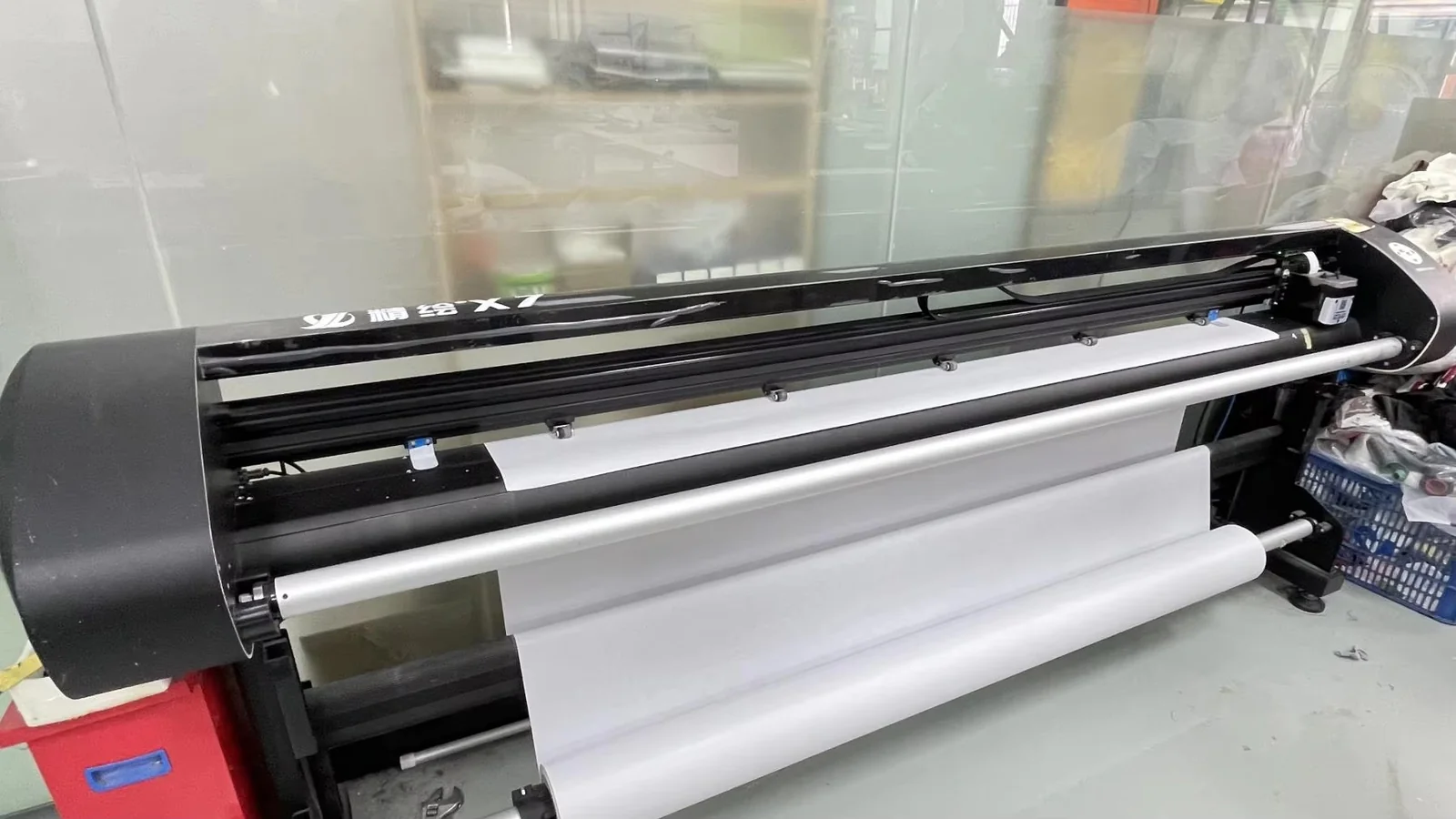
Keep the drawing, measurement chart and sample comments on the same revision. Confirm the production size quantities separately from the grading rules.
05 / Shrinkage & sample approval
Approve what
you can check.
Use the selected fabric and intended finish to review the sample. Agree the care conditions and acceptance criteria before comparing results.
Record the starting point
Identify the fabric, color, sample size and revision. Record measurements before washing and identify any temporary materials or unfinished details.
Review after care
Use agreed wash and drying conditions. Compare the same points for dimensional change, twisting, rib recovery and appearance. Review any print or embroidery too.
Close the decisions
Record fit comments, required changes and the approved specification. Reconfirm affected details if fabric, finishing or pattern changes. Set tolerances for this garment.
Shrinkage targets and test results are specific to the material and care method. No universal shrinkage percentage is promised here.
Before choosing
A few useful
distinctions.
Should a hoodie use French terry or fleece?
Start with the inside feel, intended season and layering. French terry has a loop-back surface; brushed sweatshirt fleece has a raised interior. Compare composition, weight and the actual finished sample before choosing.
Can I bring my own size chart or fit reference?
Yes. Share the chart, units, base size, size range and measurement methods, with a reference garment or clear fit images. Yuchen supports custom development and adjustments to existing fits; the pattern and grading requirements are reviewed for your project.
Do the photographs show available fabrics and colors?
No. These images provide material and production context. Send the color, composition, weight and finish you want so suitable options and availability can be confirmed for your design.
What if I do not know the composition or GSM yet?
Describe the garment, season and intended feel: light and flowing, substantial and structured, or soft on the inside. Add a reference and explain what you like about it. The specification can be discussed before sampling.
Your next sample
Bring the feel.
Define the fit.
Send the details you know and the choices you want to discuss. We will review the fabric and fit direction with your garment brief.
Discuss your garment