
Pricing & minimum order quantities
Understand the MOQ.
Plan the price.
A useful quote starts with a defined garment. See how quantities, fabric and finishing shape your project, then share the details that matter.
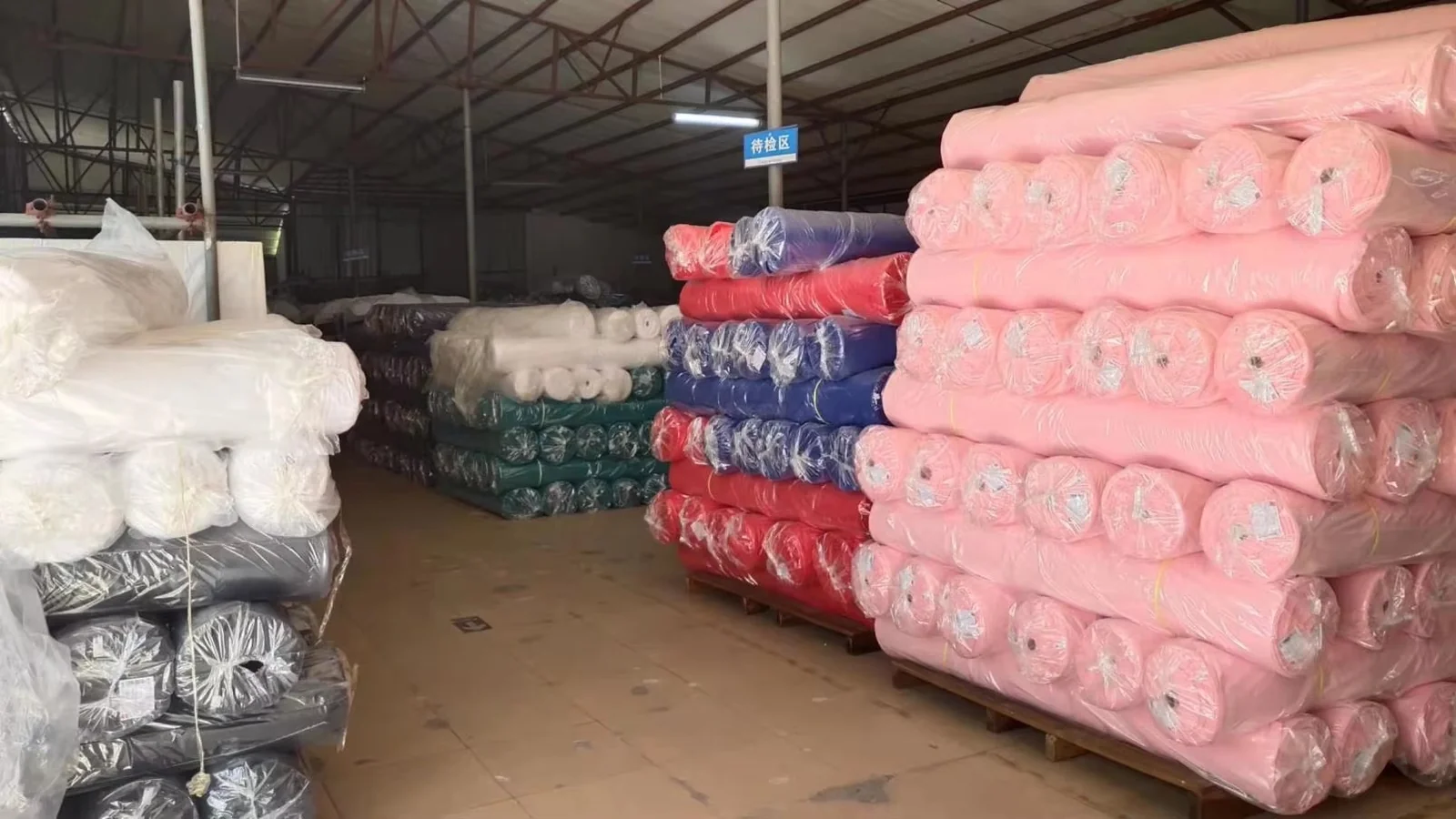
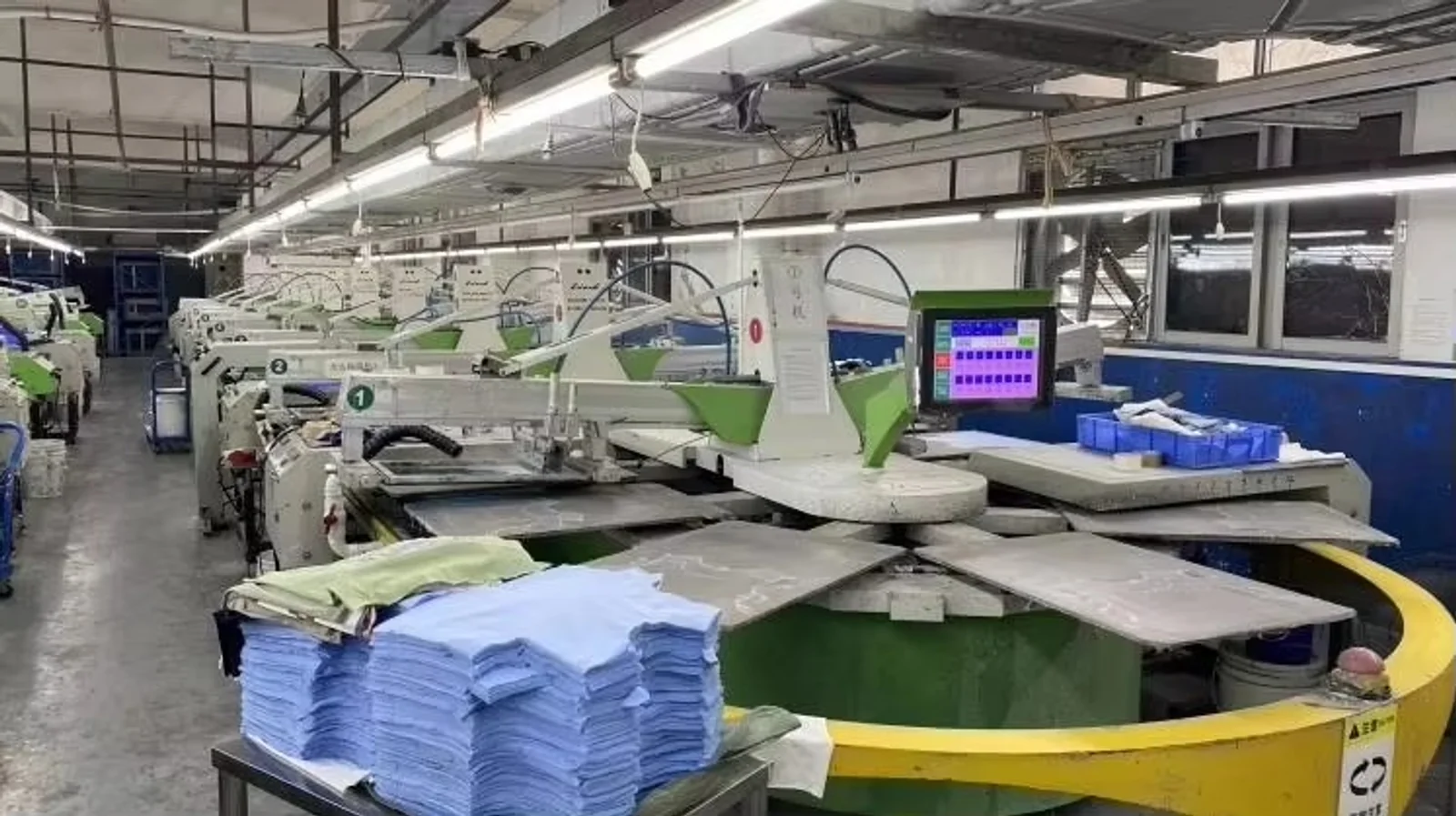

Photographs supplied by Yuchen. Materials and processes are reviewed for each project.
01 / Plan the quantity
Count each style.
Then each color.
A collection total does not replace the minimum for each style and color. Start with a breakdown, then allocate your sizes within it.
One style at a time
A T-shirt and a hoodie are separate styles. Changes to the cut or construction may create another style; identify each version in your brief.
One minimum per color
100 black pieces and 100 chalk pieces make 200 pieces of one style. Splitting 100 into 50 of each color does not meet the 100-piece minimum per color.
Mix sizes within that quantity
Send your size range and pieces per size for each color. There is no fixed size ratio stated here; the breakdown needs project confirmation.
Illustrative quantity plan · not an order
One T-shirt. Two colors.
| Color | Size split | Pieces |
|---|---|---|
| Black | 20 / 30 / 30 / 20 | 100 |
| Chalk | 20 / 30 / 30 / 20 | 100 |
Colors and size allocation are hypothetical. Meeting the garment minimum does not automatically satisfy material or trim minimums.
Planning below 100 per color? Share the breakdown for review. Fewer colors may help concentrate units. Acceptance below the stated garment minimum is not guaranteed.
02 / Understand the quotation
The details
behind the price.
Two garments can look similar in a photo and require different materials, consumption, setup and sewing work. Compare the specification alongside the unit price.
Fabric & weight
Composition, knit or weave, GSM, width, finish and availability affect the fabric requirement. A heavier fabric is not the only reason two fabrics cost differently.
Fit & construction
Garment dimensions, panels, pockets, lining, rib and seam details change fabric consumption and sewing work. Include measurements and construction references.
Artwork & finishing
Print method, artwork colors, size and placement, embroidery coverage and wash treatments affect setup and production. Specify the effect on the actual fabric.
Labels & trims
Neck labels, care labels, zippers and hardware need their own material, dimensions and quantities. Ask which setup charges and supplier minimums apply.
Packaging
Individual bags, hangtags, barcode requirements, packing methods and cartons form part of the brief. Confirm what the quoted price includes.
Quantity & color split
Units per style and color affect how setup and production work are allocated. A larger collection total does not automatically mean the same price for every style.
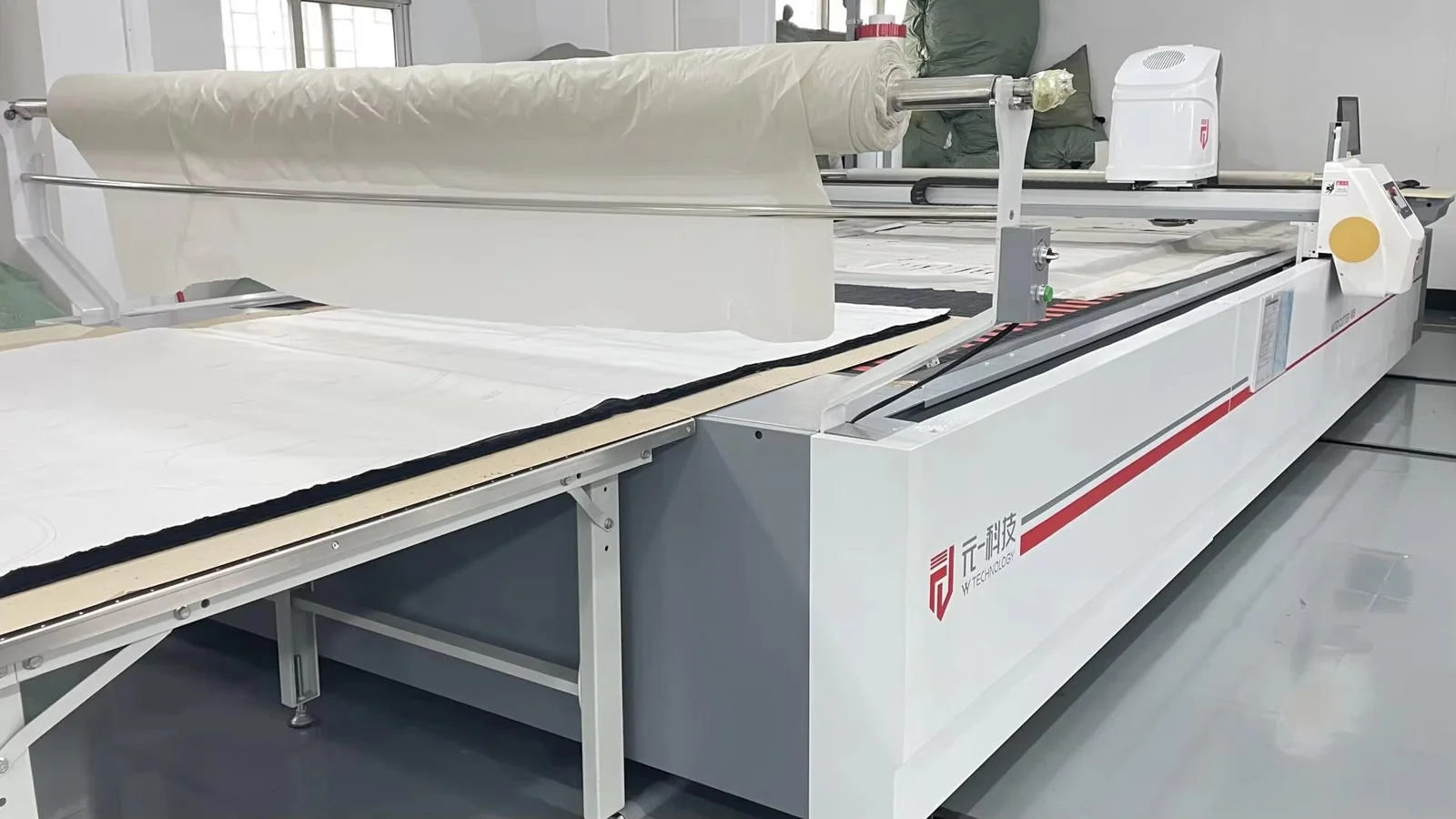
Garment MOQ and component MOQ are different.
Fabric or custom dye lots may be measured in meters or kilograms. Labels, trims and packaging can have separate supplier quantities, even when your garments meet the 100-piece minimum.
Ask what must be purchased, what will be used, and how any remaining components will be handled. Confirm minimums and charges separately in the written quote.
Plan labels & packaging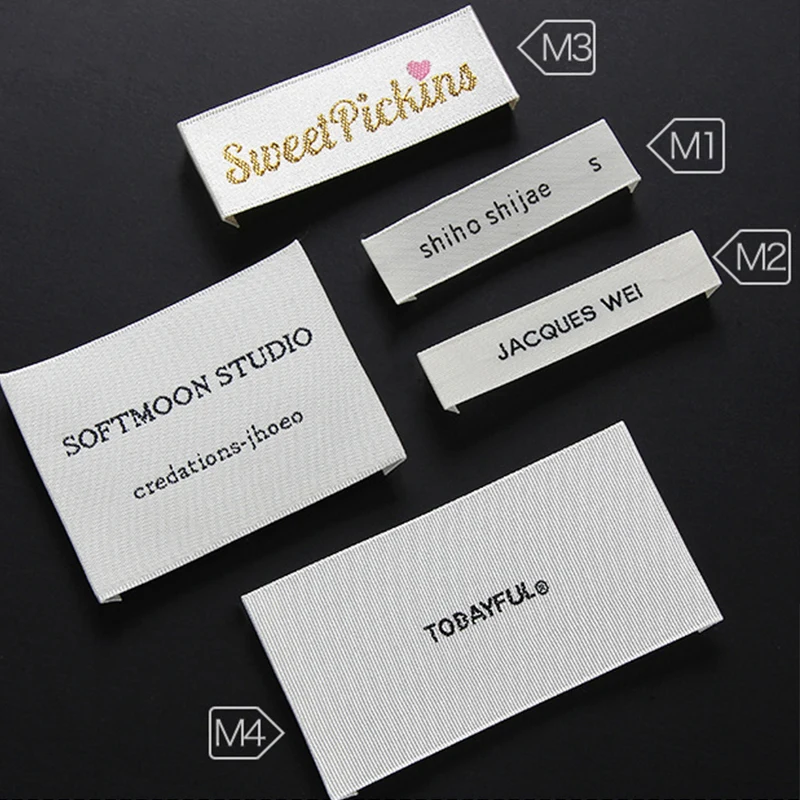
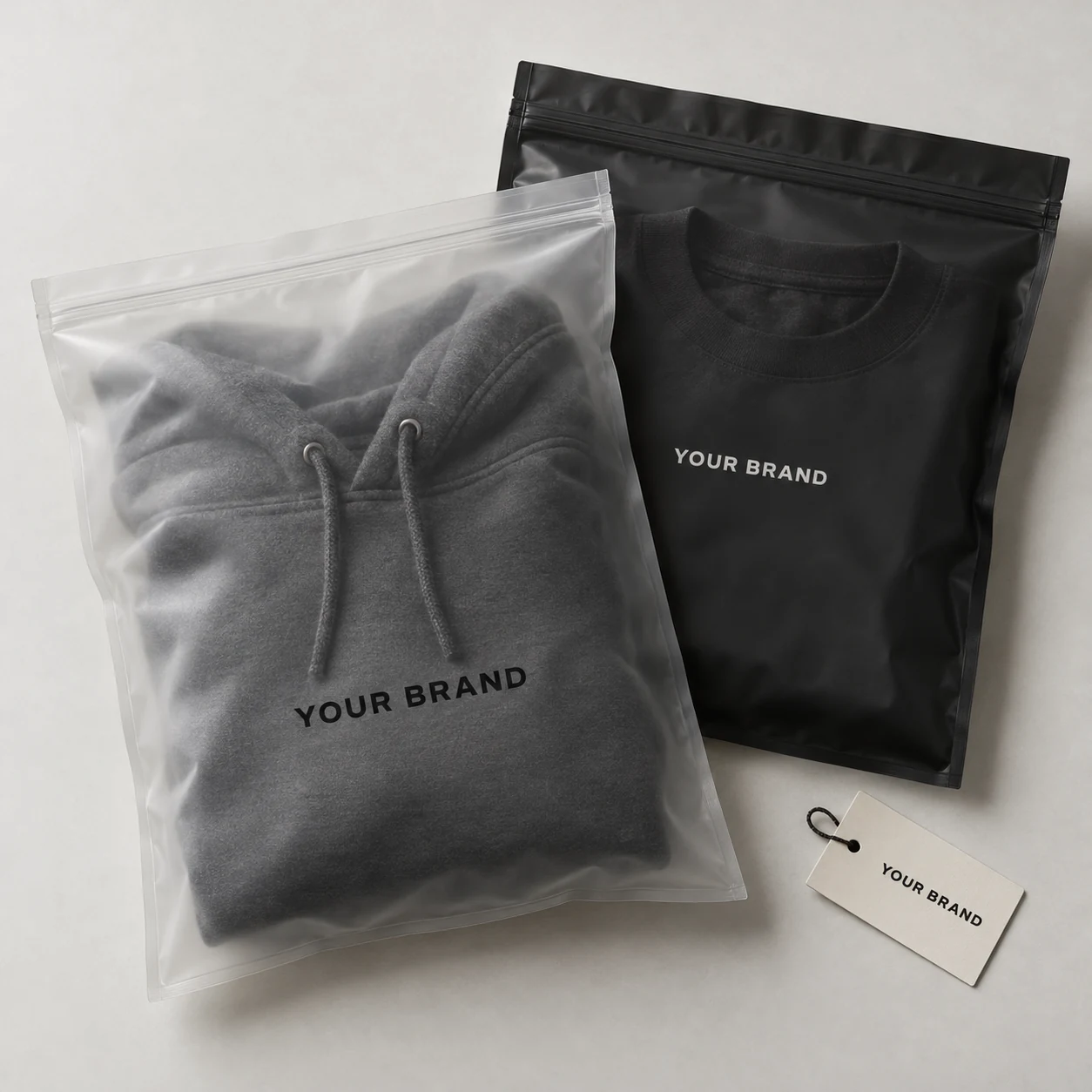
Label references are from Yuchen’s existing product page; brand names shown do not imply customer relationships. Packaging is an AI-generated concept, not a production sample. Confirm final materials, dimensions and printing for your project.
03 / Compare like with like
Similar look.
Different work.
These hypothetical briefs show what changes a quotation. They are not customer orders, price examples or promises of a particular saving.
Example A / T-shirt fabric
Same silhouette.
A different fabric.
- What changes
- An available 220 GSM jersey versus a custom-developed 280 GSM jersey in a specific shade.
- What to compare
- Composition, finish, consumption, dye-lot requirement and material availability—not weight alone.
- What to ask
- Can an available fabric meet the intended feel, or is development needed?
Example B / Decoration
Same garment.
A different finish.
- What changes
- A small, single-location print versus large front and back artwork with embroidery.
- What to compare
- Method, artwork colors, dimensions, locations, coverage, setup and sample approval work.
- What to ask
- Which costs are one-time setup, and which apply to each garment?
Example C / Color plan
Same total.
A different split.
- What changes
- 300 pieces in one color versus 100 pieces in each of three colors, for the same style.
- What to compare
- Fabric and dye-lot availability, color-specific preparation and any separate component requirements.
- What to ask
- How does each color plan affect the quoted price and schedule?
04 / Separate development from production
Sample first.
Confirm the bulk plan.
A sample develops and checks the product. A bulk quote prices an agreed production specification and quantity. The two scopes need separate confirmation.
Your sample quotation
- Sample type, pattern and development scope.
- Fabric, trims and any substitutions used for the sample.
- Artwork trials, sample quantity and approval method.
- Sample charges, revision scope and delivery arrangements.
Agree any additional revision cost and timing before further work. Any sample fee credit or refund must be agreed in the sample quotation.
Your bulk quotation
- Approved sample and final specification revision.
- Quantity by style, color and size.
- Unit price, currency, setup and component charges.
- Packaging, payment, production and shipping terms.
Reconfirm the quotation if materials, artwork, quantities or construction change. Sample approval alone does not confirm the final order terms.
When does
the clock start?
Planning estimates, subject to your project. Revisions and transport need their own allowance.
Standard sampling is usually around 15 days after design confirmation and payment. Complex designs may need 20–30 days. Confirm material availability and the agreed sample scope.
Agree the start date against payment, sample and specification approval, and material readiness. Order details and special finishes can change the schedule. Share your required arrival date.
05 / Make your inquiry useful
A clearer brief.
A clearer quote.
Tick what you have ready. You can start a conversation with an incomplete brief—just flag the decisions that are still open.
This checklist stays in your browser. It does not calculate a price, submit an inquiry or save information on the website.

Your quote checklist
Download a text copy with your checked items. Nothing is sent.
Before you agree
Put the terms
in writing.
Check what is included, what is separate and what would trigger a new quotation.
What should the written quote include?
The specification revision, quantities, unit and total prices, currency, setup or development charges, labels and packaging, validity period, payment arrangements and schedule. Ask for inclusions and exclusions to be clear before accepting.
Are freight, taxes and duties included?
Ask the quote to state the shipping method, delivery basis, destination, freight charges and responsibility for import duties, taxes and clearance. Do not assume these are included in the garment unit price.
What payment or sample-credit terms apply?
Confirm payment timing, any deposit and balance requirements, payment methods, and whether any sample fee credit or refund applies in your written quotation. These arrangements are agreed for your project before work begins.
What if I change the design after the quote?
Describe the change and ask for its effect on materials, cost and timing before it is applied. Confirm any sample revision, artwork setup or production change charge in writing.
Will a reorder have the same price and MOQ?
Request a fresh confirmation of price, quantities, material availability, trim requirements and production timing. A previous order does not automatically reserve fabric, components or a production slot.
How do I compare two quotations fairly?
Use the same fabric specification, fit, artwork, quantities, labels, packaging and delivery basis. Check setup, sample and shipping charges separately. If one quote uses substitutions or excludes a requirement, ask for that difference to be stated.