
Design & sampling services
Your idea.
A sample to build on.
Turn a reference, tech pack or garment into a sample you can measure, wear and review. We work through the fabric, pattern and construction with you, then bring the agreed details together for production.
Discuss your sample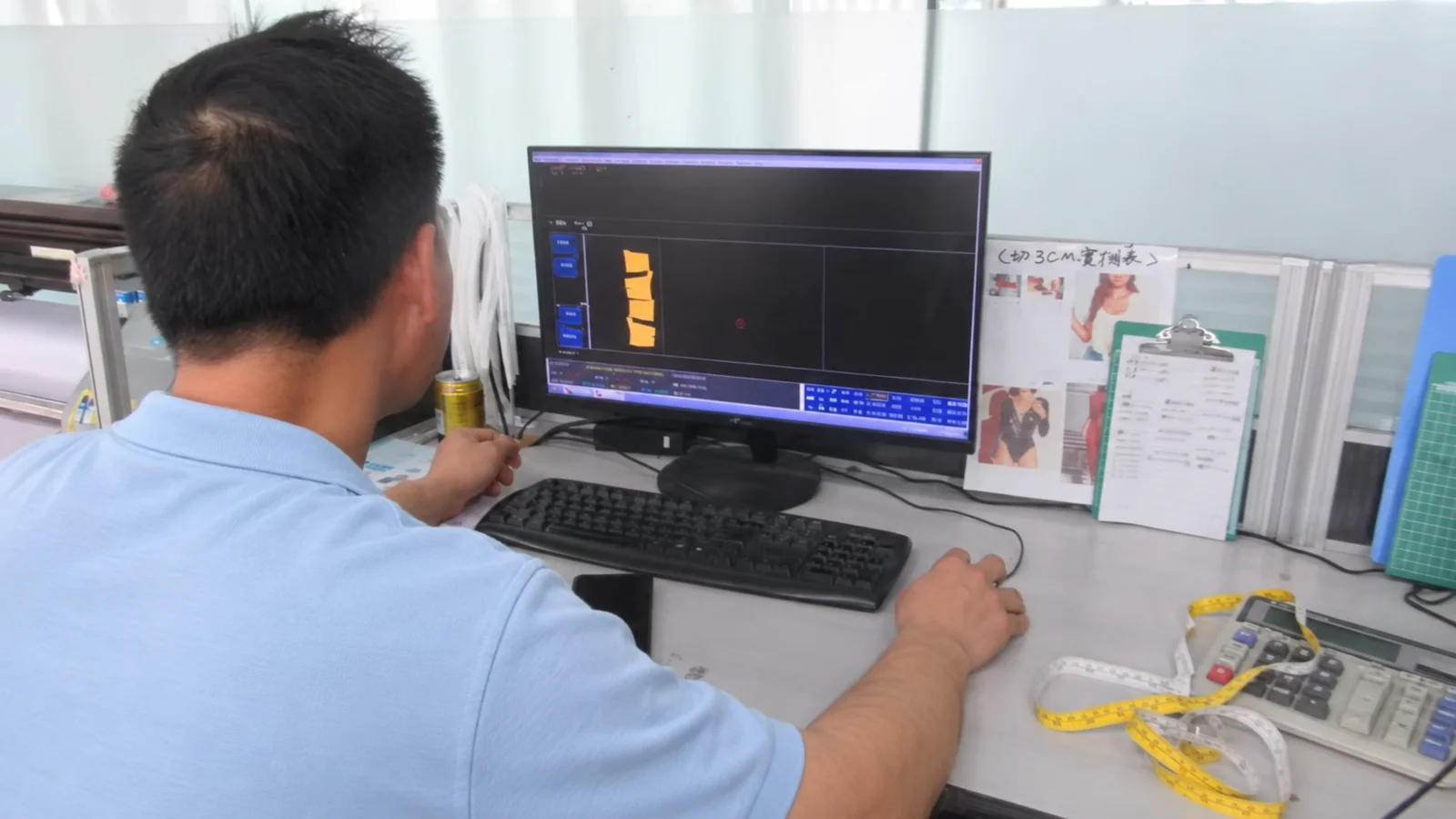
Before bulk production
Resolve the details.
Keep the decisions.
A sample gives the brief a physical form. Its purpose is to make fit, material and finish decisions clear—not to approve details that are still being developed.
See the complete manufacturing process →Start with
what you have.
You do not need every answer for an initial discussion. Tell us what is fixed, what you want to change and where you need development advice.
Show the direction.
- Front, back and close-up views of the shape and details.
- Notes on what each reference means: fit, fabric, seams or decoration.
- Base size, key measurements and intended size range.
- Your own artwork, color direction and target quantity.
Images communicate a look, but cannot establish exact fabric weight, construction or measurements. We review the missing specifications before quoting development.
Define the build.
- A dated file version with technical front and back views.
- Measurement points, units, base size and tolerance requirements.
- Fabric composition, GSM, color and trim specifications.
- Artwork files, dimensions, placement and label details.
Flag unresolved items and conflicting notes. Include grade rules if available; the size range and any size-set review are agreed for the project.
Use the T-shirt tech pack templates →Make the reference clear.
- Photographs and the garment’s labeled size.
- A list of details to keep and details to change.
- Measurements and any known wash or wear history.
- Fabric, color and branding changes for your own product.
Agree the delivery address and handling of the reference before sending it. A physical garment can guide fit and handfeel; material matching and any destructive inspection need separate agreement.
Include with every route: garment type, quantity by style and color, size range, destination and target date. Share references and artwork you have permission to use.
One stage.
One clear decision.
The exact sample sequence is agreed in your quotation. These are the development records and approval points to define together.
Technical review
Check the brief for gaps, construction constraints and details that need testing.
- Working output
- A clarified specification, open-question list and proposed sampling scope.
- Confirm before moving on
- Must-have details, acceptable alternatives, development charges and the sample’s purpose.
Fabric & technique selection
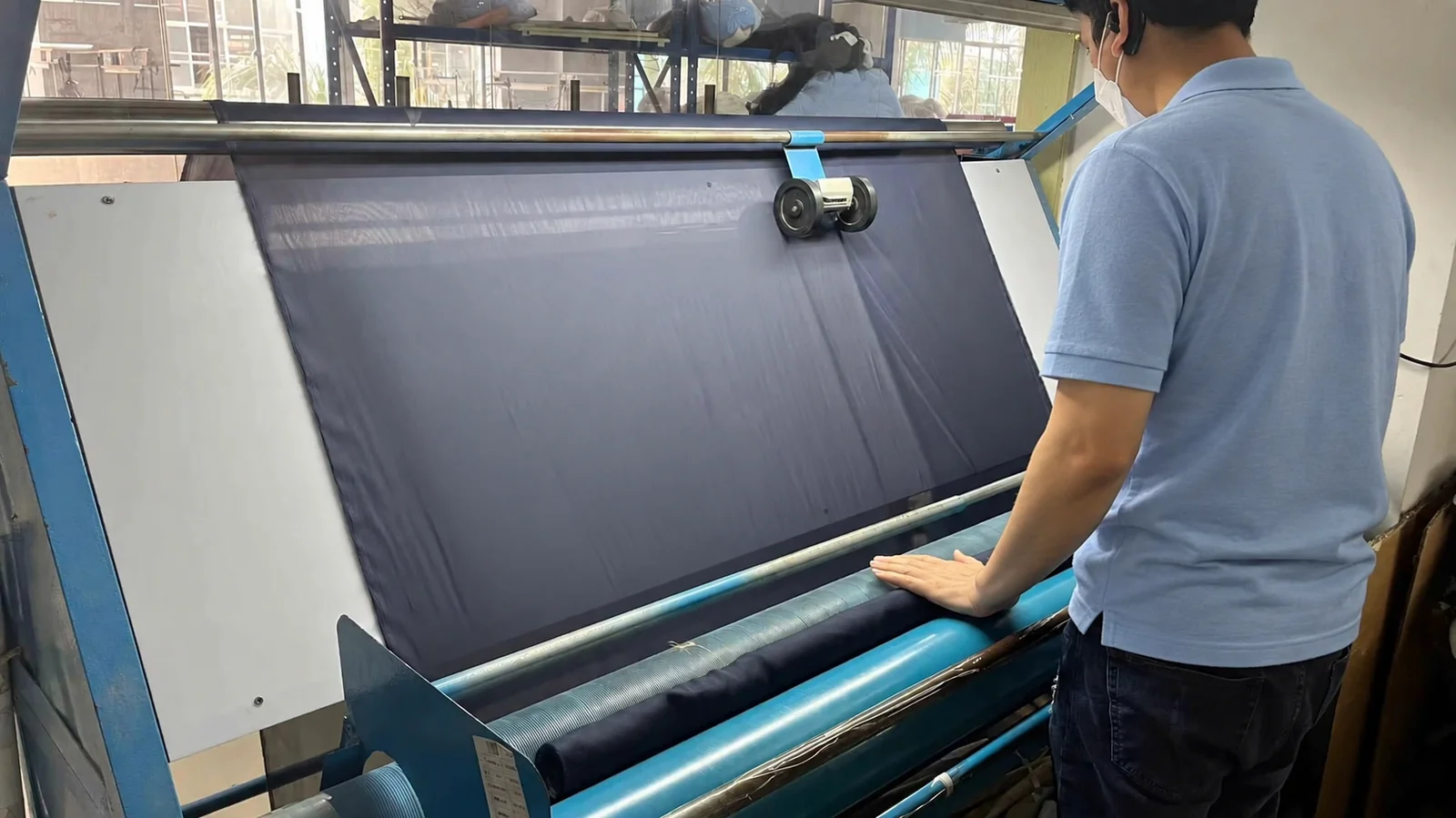
Review fabric weight, handle, stretch and finish alongside artwork and construction.
- Working output
- Material and trim choices, plus swatches or technique trials where included in the agreed scope.
- Confirm before moving on
- Color references, decoration scale and placement, and any temporary material substitutions. Agree physical approvals where screen images are insufficient.
Pattern & first sample
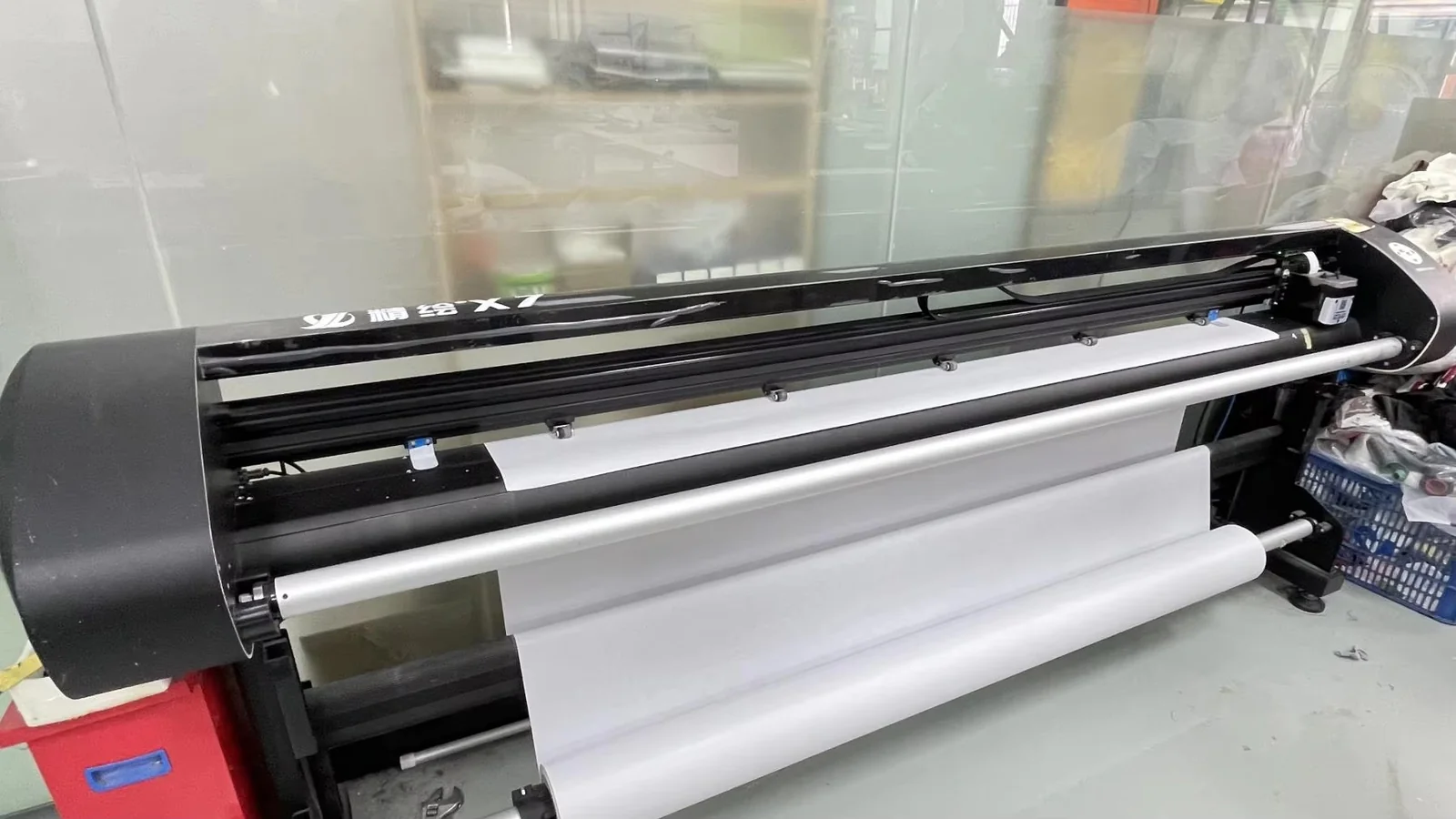
Develop the base-size pattern and construct the sample around the reviewed brief.
- Working output
- An identified first sample and the specification version used, with substitutions and unresolved details recorded.
- Confirm before moving on
- Which features this sample can establish: silhouette, measurements, construction, artwork or finish. Pattern-file delivery and ownership are agreed separately.

Your review
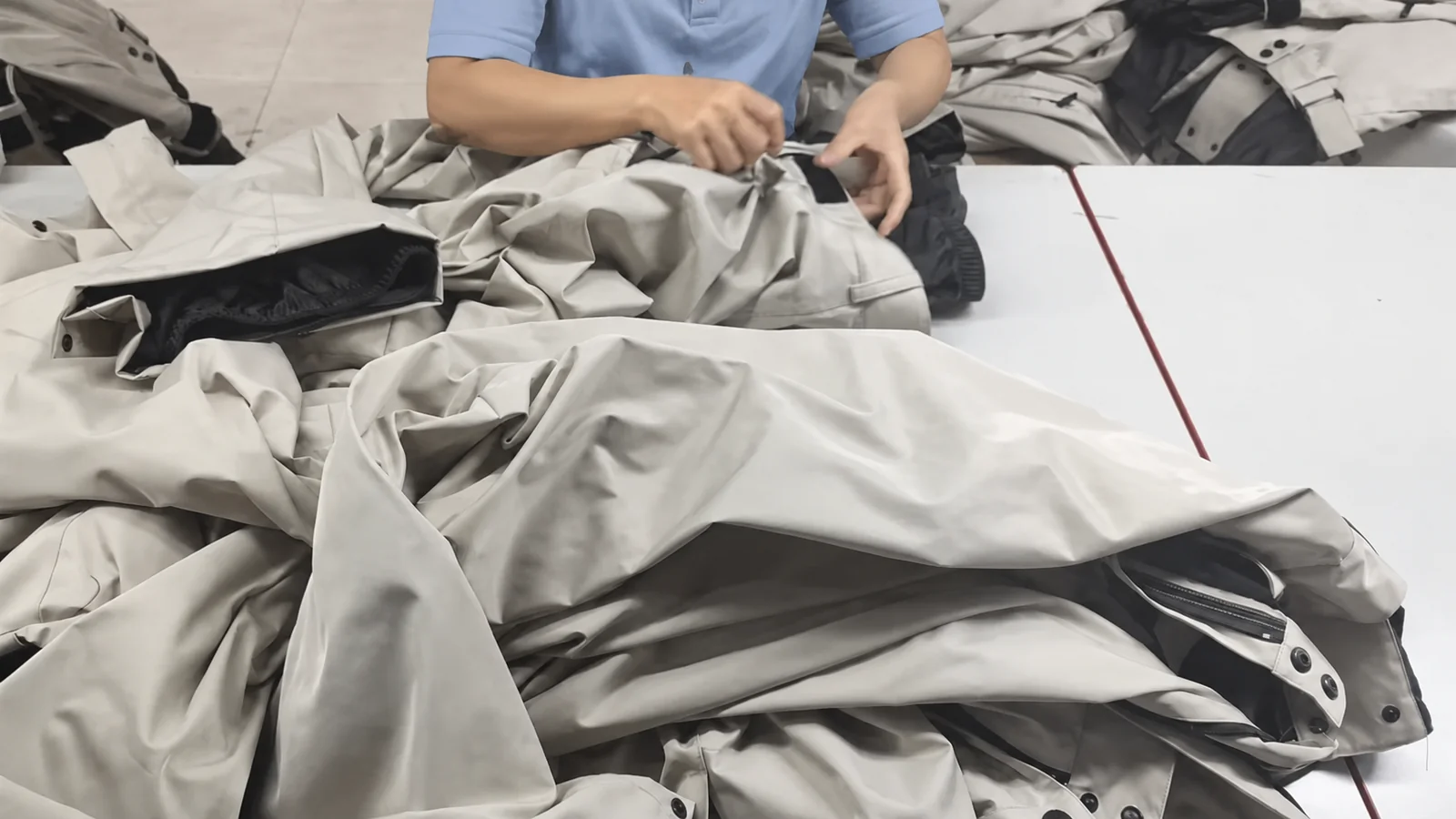
Measure, try on and inspect the garment. Bring all reviewers’ comments into one document.
- Working output
- A measurement record, annotated photographs and one consolidated feedback list.
- Confirm before moving on
- Mark each detail approved, revise or unresolved. State the requested next step; a fit approval does not approve a substituted fabric.
Revision & verification
Review the requested changes and their effect on the pattern, material, cost and timing.
- Working output
- An updated specification and, where agreed, a revised sample with a traceable version.
- Confirm before moving on
- Close resolved comments and identify anything still open. Agree any additional sampling work and fees before it begins.
Pre-production confirmation
Bring the approved garment and order specification into alignment before bulk production.
- Working output
- An identified final reference sample, final specification and written approval record. Confirm whether a separate pre-production sample or size set is required and included.
- Confirm before moving on
- Final materials, trims, measurements, tolerances, artwork, labels and packing; the size/color breakdown; and how the reference sample is retained for bulk checks.
The production reference must show what you are approving. If a material, trim or finish is still temporary, keep that item open and agree how its final version will be reviewed.
Plan the development
Time for the sample.
Time for the decisions.
Our typical sampling guidance is around 15 days. Complex washes, embroidery, distressing or multi-panel construction may require 20–30 days.
These are planning estimates. Confirm the start date once the brief, sample scope, payment arrangements and required materials are agreed. Ask whether the quoted date means sample completion, dispatch or arrival. Material sourcing, revisions, your review time and transport can affect the overall calendar.
Agreed for your project
Know what the quote includes.
- Pattern development and the type, size and number of samples.
- Fabric, trims, decoration trials and finishing work.
- Included review or revision work, if any.
- How additional changes are priced and scheduled.
- Sample shipping and payment arrangements.
Sampling fees and revision rounds are quoted by project. Free samples, a fixed number of changes, refunds or a credit against a bulk order should not be assumed; any such arrangement must be agreed in writing.
Request a sampling quotation →Review the whole garment.
Record each detail.
Use this checklist with the correct sample and tech pack version. Tick items as you review; these checkmarks stay on this page and are not sent or saved.
Make feedback measurable.
Send one dated review file. Include the sample ID, measurement point or detail location, current result, requested result and an annotated photo. Distinguish a correction against the agreed brief from a new design request.
Read the clothing sampling guide →Example only / not a production specification
A useful fit comment
Sample: Tee-A, V1, size M. Point: half chest, measured flat 2.5 cm below the armhole, using our agreed method.
Target: 60 cm. Observed: 58 cm. Photo 03 shows the tape position.
Request: review against the agreed tolerance and correct to the approved specification. Keep the approved body length. Confirm the next sample and timing before proceeding.
A clearer brief
starts here.
Use our existing guides and templates to keep the development information in one place.
T-shirt tech pack
Start with the blank Excel workbook, or see how the worked example records a garment specification.
Download blank template (.xlsx) ↓Download worked example (.xlsx) ↓
Product development
Explore the fabric, fit and finish decisions for your garment category.
Custom T-shirts →Hoodies & sweatshirts →
Custom streetwear →
Finish the specification
Bring garment development, branding and quality requirements into the same review.
Private label & packaging →Factory & quality →
Prepare your clothing tech pack →
Can we start without a complete tech pack?
Yes. Clear references, sketches or a physical garment can start the discussion. Send key measurements and your priorities. We will review what still needs to be specified and include the agreed development work in the quotation.
Does the garment MOQ apply to samples?
The published garment MOQ is 100 pieces per style, per color, with mixed sizes. That describes bulk production. Sample quantities, fees and scope are agreed separately for your project.
What if the first sample needs changes?
Send a single revision list tied to that sample version. We review the requested changes, clarify any effect on cost and timing, and agree the next step. The quotation defines included work; additional rounds are not automatically free.
Does approving a sample start bulk production?
Sample approval establishes the product reference. The final order, specification, materials and commercial arrangements must also be confirmed before production is released. Any later change needs a review of feasibility, cost and schedule.